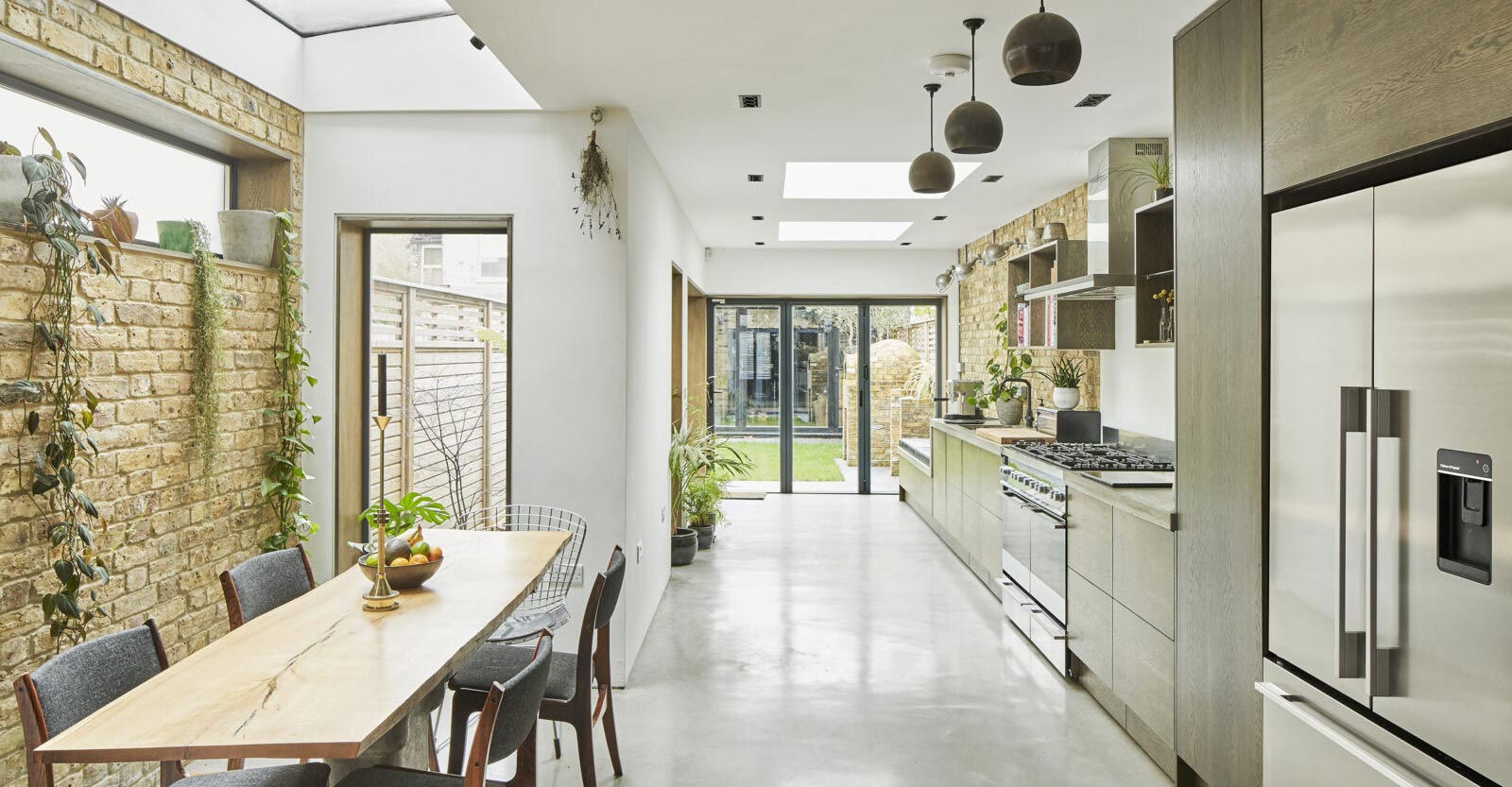
Interior Design Tips To Transform Your Home and Everyday Life

Interior design is far more than just arranging furniture and selecting paint chips. It is the art of crafting environments that support our well-being, reflect our personality, and enhance the quality of our daily lives. A truly well-designed home doesn’t just look good; it feels good. It’s a place that inspires creativity, promotes relaxation, and provides a clear separation from the outside world.

Whether you’re starting from scratch, planning a renovation, or just looking to refresh a tired room, this guide offers essential, professional tips that move beyond simple decorating to fundamentally transform your home into a beautiful, functional, and soulful space.


Tip 1: Design With Intention – Function First, Form Second

Before you buy a single item, take stock of how you actually live. Great design always prioritizes function. A beautiful room that doesn’t accommodate your daily habits is simply a museum, not a home.

Mapping the Flow

Observe … Read more

Continue Reading

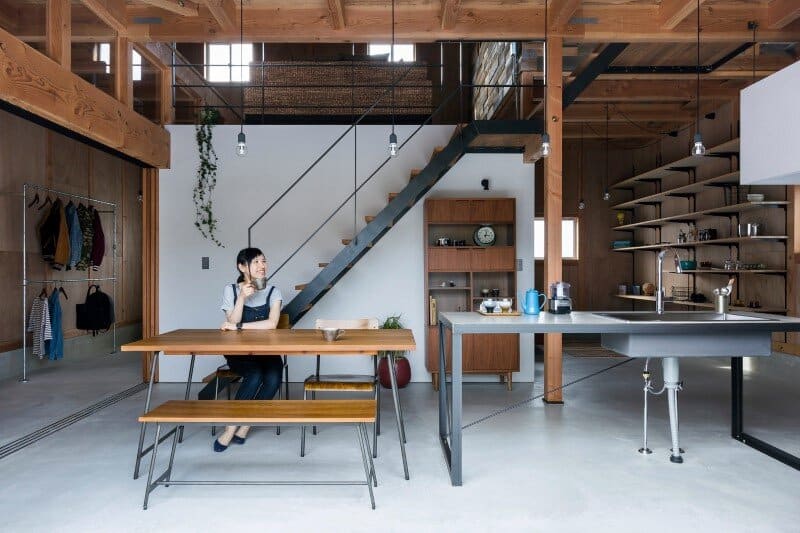
How Better Furniture Can Be the Key to a Better Mood

We often think of furniture purely in terms of function and aesthetics. It serves as a place to sit, a surface to work on, or a storage unit for our belongings. Yet, the pieces we choose to fill our homes and workspaces have a profound, often overlooked, impact on our psychological well-being, productivity, and overall happiness. Our environment is a constant feedback loop, and the quality, design, and organization of our furniture are central to creating a space that nurtures, rather than hinders, a positive mood.

Investing in better furniture is not just about luxury; it’s an investment in your mental health. By understanding the principles of ergonomics, biophilic design, and intentional simplicity, anyone can transform their surroundings into a sanctuary that promotes calm, focus, and joy.


The Ergonomic Connection: Comfort as a Mood Stabilizer

The most immediate link between furniture and mood is through physical comfort and health. … Read more

Continue Reading

Five Essential Things to Consider When Buying a Home

Buying a home is often the largest financial and emotional investment an individual or family will ever make. It is an exciting, yet potentially overwhelming, process that extends far beyond picking a house with the right number of bedrooms. A home is not just a building; it’s a foundation for your future, an anchor for your finances, and a reflection of your lifestyle.

To navigate this complex journey successfully, it’s crucial to move past superficial aesthetics and delve into the core practical and financial considerations. By focusing on five essential elements—the true cost, the location’s long-term value, the property’s structural health, the functionality of the floor plan, and the hidden costs of maintenance—you can ensure your dream home doesn’t turn into a financial or logistical nightmare.


1. The True Cost: Understanding Your Full Financial Picture

Many first-time buyers focus solely on the list price and the mortgage repayment, neglecting a … Read more

Continue Reading

The Power of Whole-House Smart Home Integration

The idea of a “smart home” has evolved far beyond a single voice-activated speaker or a smart light bulb. Today, true luxury and efficiency are found in Smart Home Integration a seamlessly connect ecosystem where every device. From the thermostat to the window shades, communicates intelligently to enhance comfort, security, and sustainability. This whole-house approach transforms a collection of gadgets into a unified, responsive living environment.

For homeowners planning a new build or a major renovation, integrating smart technology from the foundation up is no longer a luxury—it’s the cornerstone of modern, future-proof living.


What Is Whole-House Smart Home Integration?

Whole-house integration refers to a centralized system that connects various sub-systems—lighting, security, climate control, entertainment, and appliances—under a single, unified control platform. Instead of managing five different apps for five different devices. A homeowner can control everything from a single command center (a wall panel, smartphone app, or voice assistant).… Read more

Continue Reading

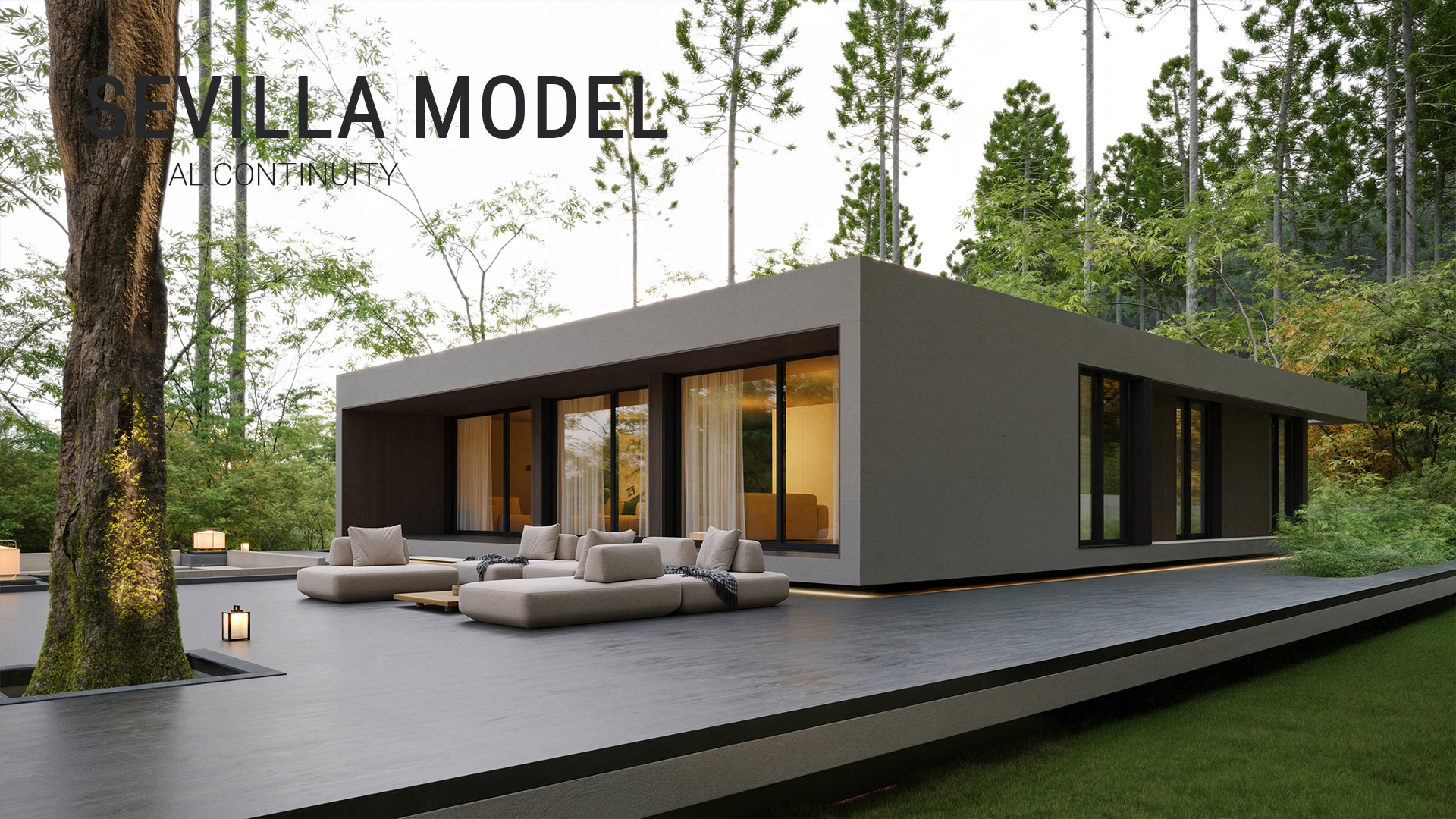
Why Contemporary House Plans Define Modern Living

The search for the perfect home is often a quest for a lifestyle. Today, that lifestyle prioritizes fluidity, natural light, and efficiency—qualities perfectly embodied by Contemporary House Plans. Far from being a rigid style, contemporary design is a constantly evolving architectural movement defined by the “here and now.” It captures the latest trends in technology, sustainability, and human-centric living, making it the most sought-after design for new custom homes.

If you are looking to build a forward-thinking, energy-efficient, and supremely functional home, understanding the core principles of contemporary architecture is your first step.


Contemporary vs. Modern: Understanding the Core Difference

Before diving into the features, it’s crucial to clarify the most common confusion in architectural terms:

  • Modern House Plans refer to a specific, historical style rooted in the early to mid-20th century (think 1920s to 1950s—the influence of architects like Frank Lloyd Wright and the Bauhaus movement). Modern design
Read more Continue Reading