Strategic Principles for Designing Your Dream Home and Floor Plan
Building a custom home represents one of the most significant life investments you can make. It offers a rare opportunity to tailor every square foot to your family’s routine, aesthetic preferences, and long-term goals. However, translating abstract ideas of a dream home into a functional, physical blueprint requires more than simply choosing attractive finishes or browsing online exterior photos.
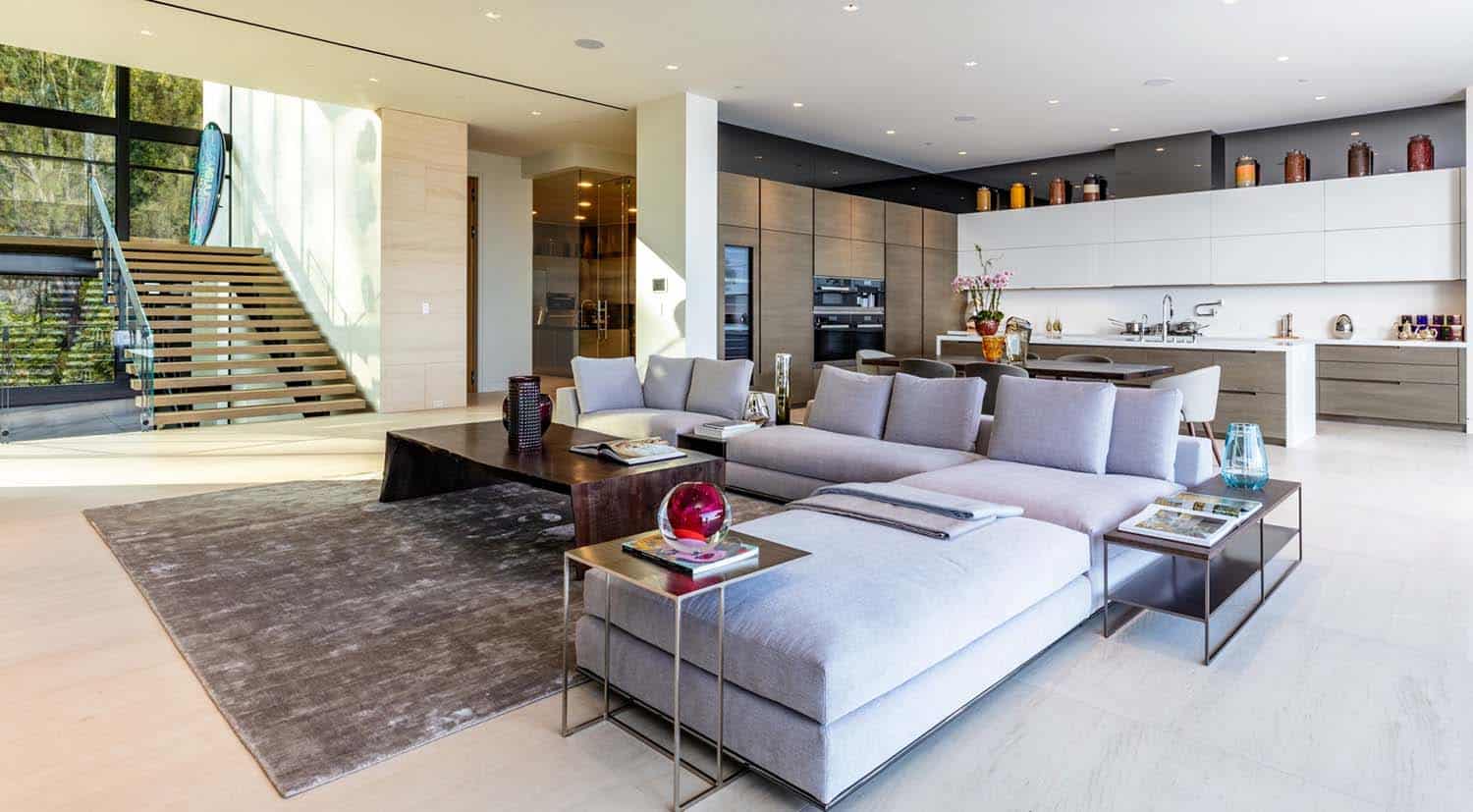
A truly successful home design blends architectural beauty with spatial efficiency. By taking a thoughtful, structured approach to floor plan development, you can create a living environment that adapts seamlessly to your lifestyle over time. Here are the core strategies to guide your layout decisions and bring your vision to life.
1. Prioritize Functional Traffic Flow and Spatial Zoning
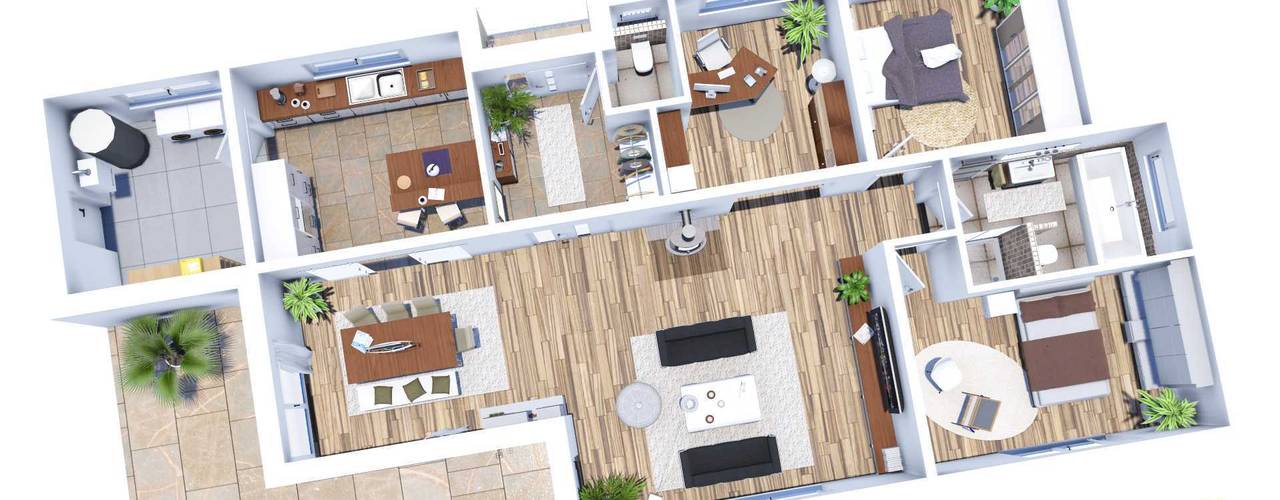
A well-designed floor plan coordinates the movement of people throughout the house without causing friction or bottlenecks. Before considering decorative elements, focus on how daily activities unfold within the space.
- Separate Public
 The picture links at the left have stories about houses members are building using our plans. At the far left column are hyperlinks to our stock plans that provide full development blueprints for easy-to-build homes. Gallery pages show more proprietor-tasks.
 Who couldn’t use more space? While some householders will add a room, others who’re the handy type love storage extensions. Let’s face it. Garages and sheds are the DIYer’s area. After all, there’s nothing quite like the scent of fresh cedar wooden, a bit of varnish, and a few nails to make a fall mission really feel good.