Home Furniture: What to Look For in Quality and Style

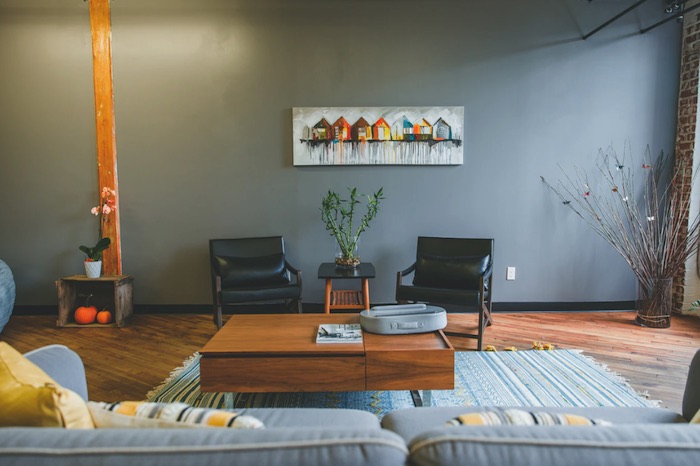
Investing in home furniture is one of the most significant decisions a homeowner can make. Beyond the functional necessity of having a place to sit, sleep, or eat, furniture serves as the skeletal structure of your interior design. It defines the flow of a room, reflects your personal aesthetic, and, most importantly, dictates your daily comfort. In an era where “fast furniture” dominates the market with low prices and lower durability, finding pieces that offer genuine longevity requires a discerning eye. To build a home that stands the test of time, you must look beyond the surface level of aesthetics and evaluate the engineering, materials, and ergonomics of every piece.

Prioritizing Structural Integrity and Materials

The foundation of any great piece of furniture is the material from which it is constructed. While two sofas or tables may look identical in a digital catalog, their internal composition will determine whether they … Read more

Continue Reading

Practical Ways to Acquire Additional Space

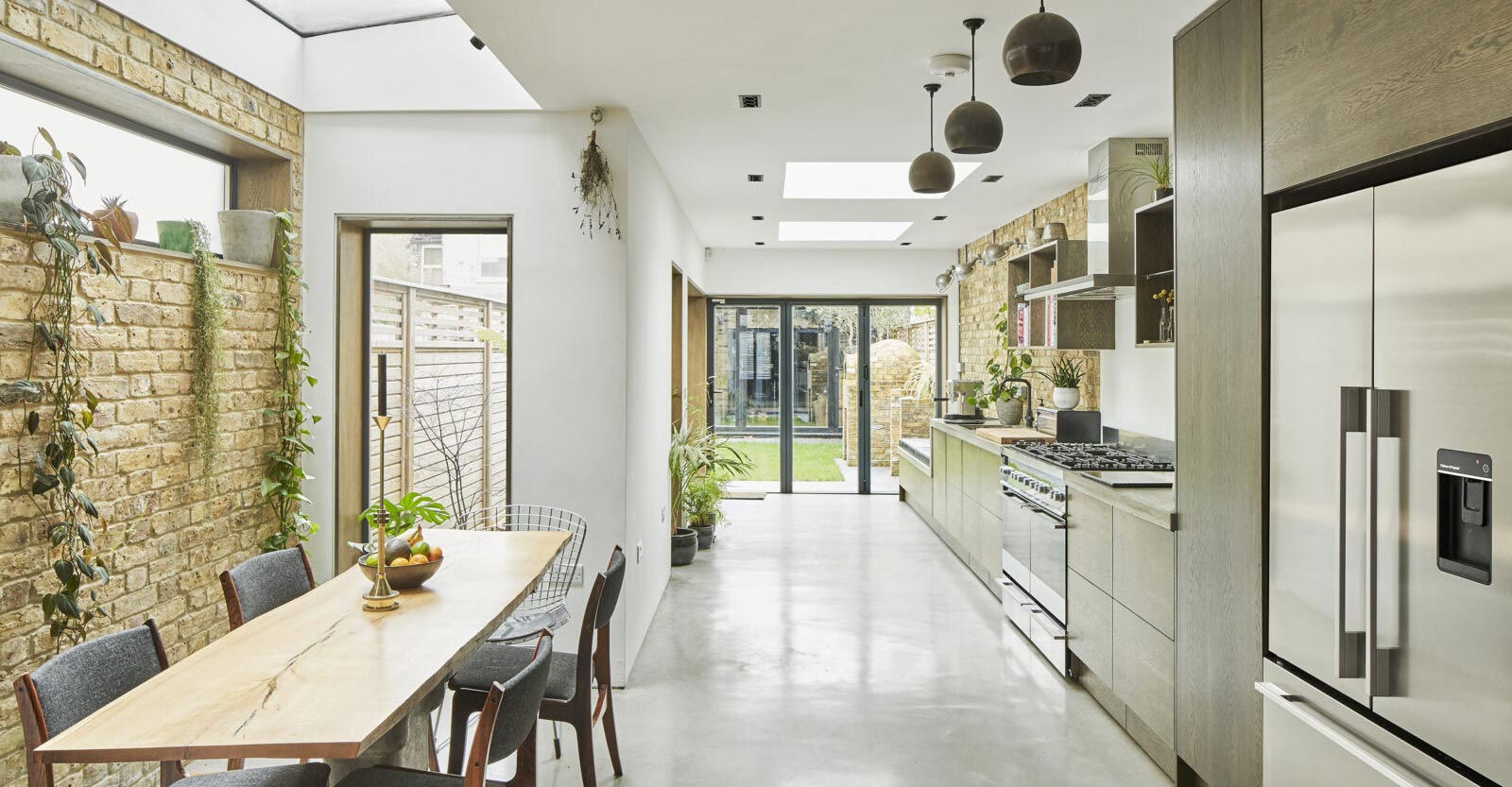
In the modern urban landscape, space has become one of the most precious commodities. As housing prices rise and remote work becomes a permanent fixture of our professional lives, many homeowners and renters find themselves feeling “boxed in.” The instinctual reaction to a cramped living environment is often to look for a larger property, but in 2026, the savvy inhabitant knows that moving is not the only solution. Acquiring additional space is often less about increasing the physical footprint of a building and more about the strategic optimization of existing volume.

By applying a mix of architectural ingenuity, furniture innovation, and psychological design, you can “find” significant square footage that was previously hidden in plain sight. Here are practical, high-impact strategies to acquire the extra space you need without the upheaval of a relocation.

Redefining the Vertical Plane

The most common mistake in home organization is thinking exclusively in terms … Read more

Continue Reading

Why You Should Fix Your Building and Home With Specialists

Maintaining a property is one of the most significant responsibilities of ownership, yet many homeowners and building managers fall into the trap of the “generalist” approach. While a do-it-yourself project or a multi-purpose handyman might suffice for minor cosmetic touch-ups, the structural and functional integrity of a building requires something more profound: specialization. As we move through 2026, the complexity of modern building materials and the integration of smart home technologies mean that the stakes for repair work have never been higher. To fix your building and home correctly, the transition from general labor to specialist expertise is no longer a luxury—it is a necessity.

The Hidden Cost of the Generalist Approach

The allure of a “jack-of-all-trades” often lies in the perceived upfront savings. It is tempting to hire a single contractor who promises to handle everything from plumbing and electrical work to roofing and flooring. However, the reality of … Read more

Continue Reading

Inspiring Decorating Ideas for Dining Room Areas

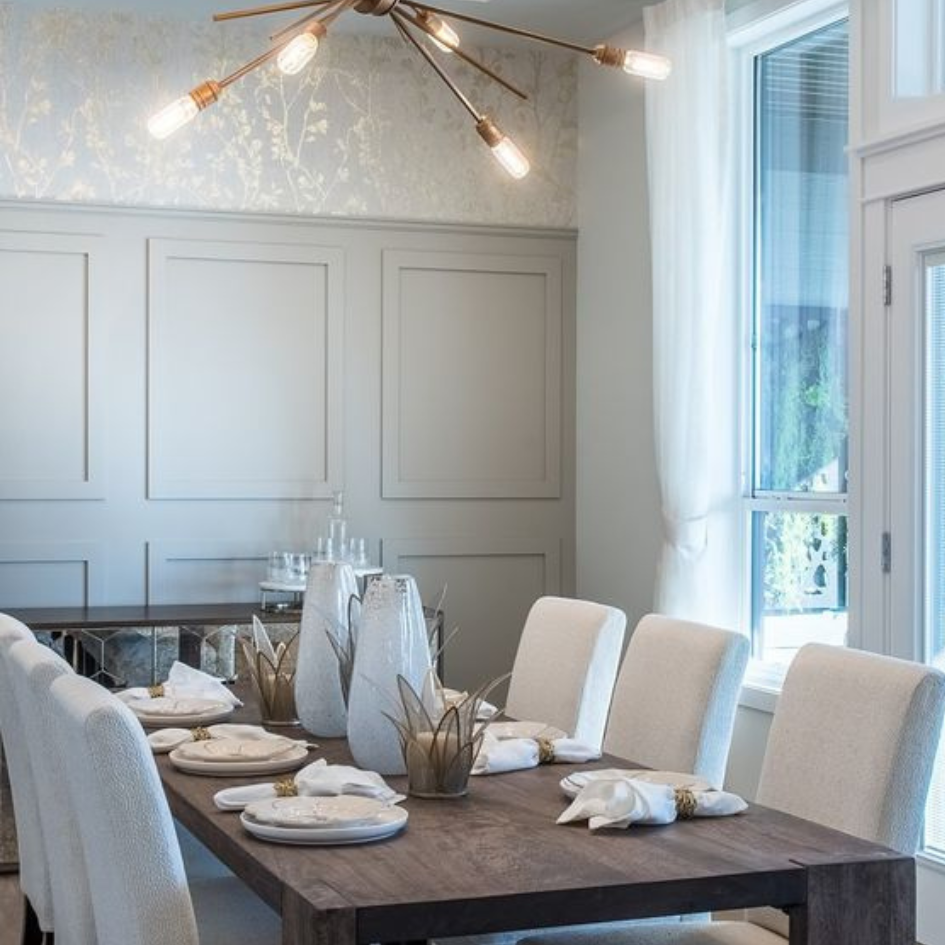
The dining room has long occupied a unique position in the home. Historically a formal space reserved for holidays and special occasions, it has evolved in 2026 into a multifunctional hub. Today, the dining area serves as a workspace, a classroom, a craft station, and, most importantly, a place for social reconnection. Decorating this space is no longer just about choosing a table and chairs; it is about creating an atmosphere that balances functionality with aesthetic resonance. Whether you have a sprawling formal dining hall or a compact nook in an urban apartment, the right design choices can transform a utilitarian area into a sanctuary of style.

Establishing a Focal Point with Lighting

In any dining room design, lighting is the element that sets the tone. It acts as the visual anchor for the entire space. A common mistake is relying on generic recessed lighting that washes out the … Read more

Continue Reading

Essential Tips for Restoring and Living in a Classic Victorian House

The Victorian house stands as a monument to a fascinating era—a time of industrial boom, intricate craftsmanship, and maximalist design. Characterized by their ornate detailing, high ceilings, bay windows, and vibrant tilework, these homes (built roughly between 1837 and 1901) possess a timeless elegance and depth of history that modern architecture often lacks. However, owning or restoring a classic Victorian property is a labor of love that comes with its own unique set of challenges and responsibilities.

This guide provides essential tips for anyone looking to honor the heritage of their Victorian house while making it functional, comfortable, and beautiful for the 21st century. It’s about preserving the past without living in the past.


Phase 1: Respecting the Structure and History

The first rule of Victorian restoration is to do no harm. These structures have survived over a century, and your job is to be a careful custodian of … Read more

Continue Reading