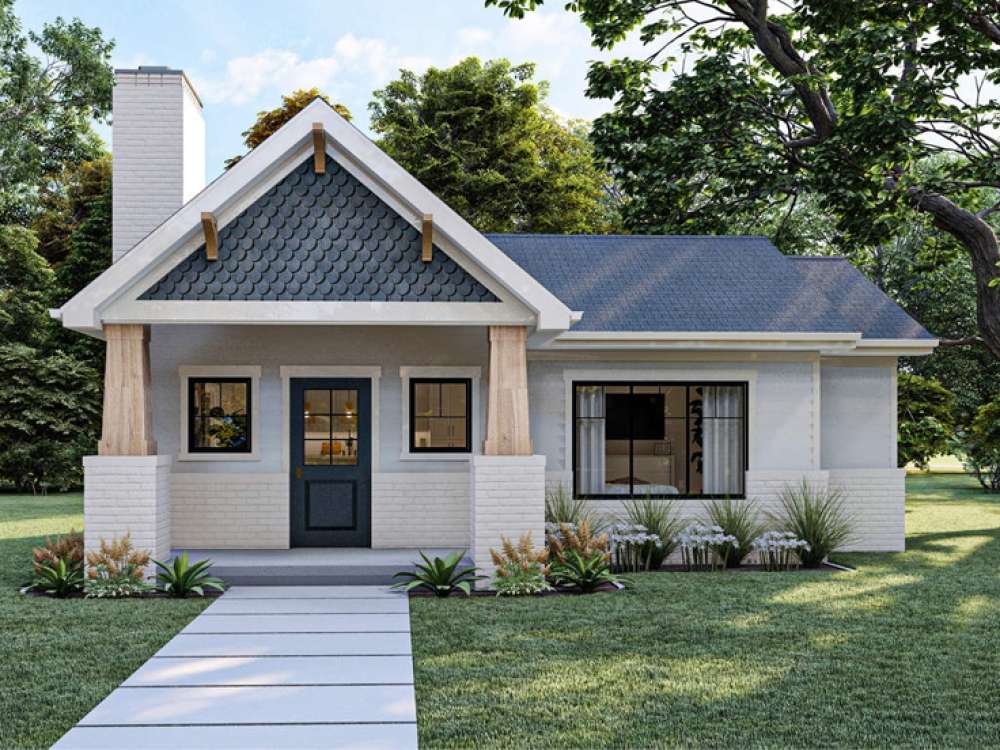
Why Contemporary House Plans Define Modern Living

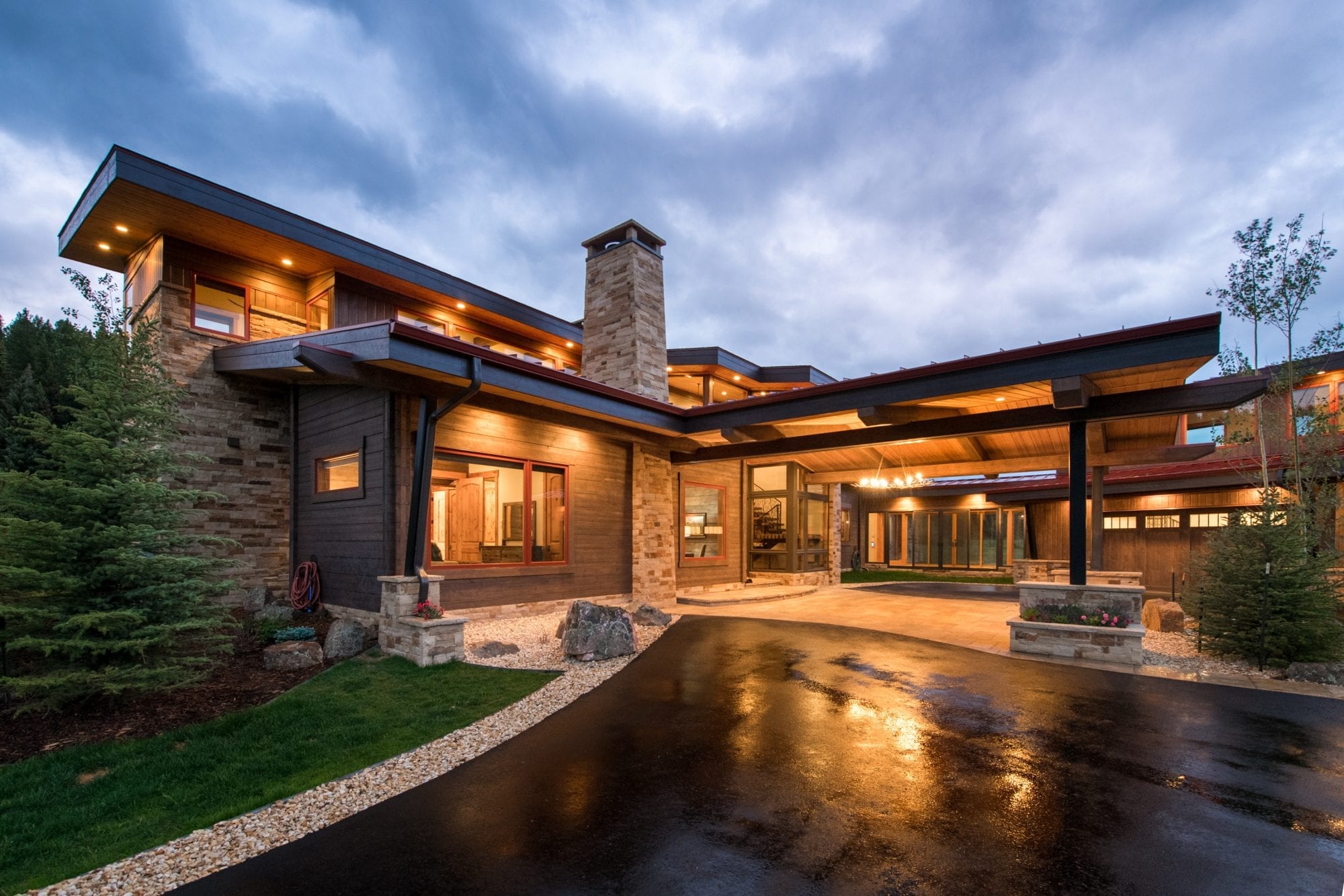
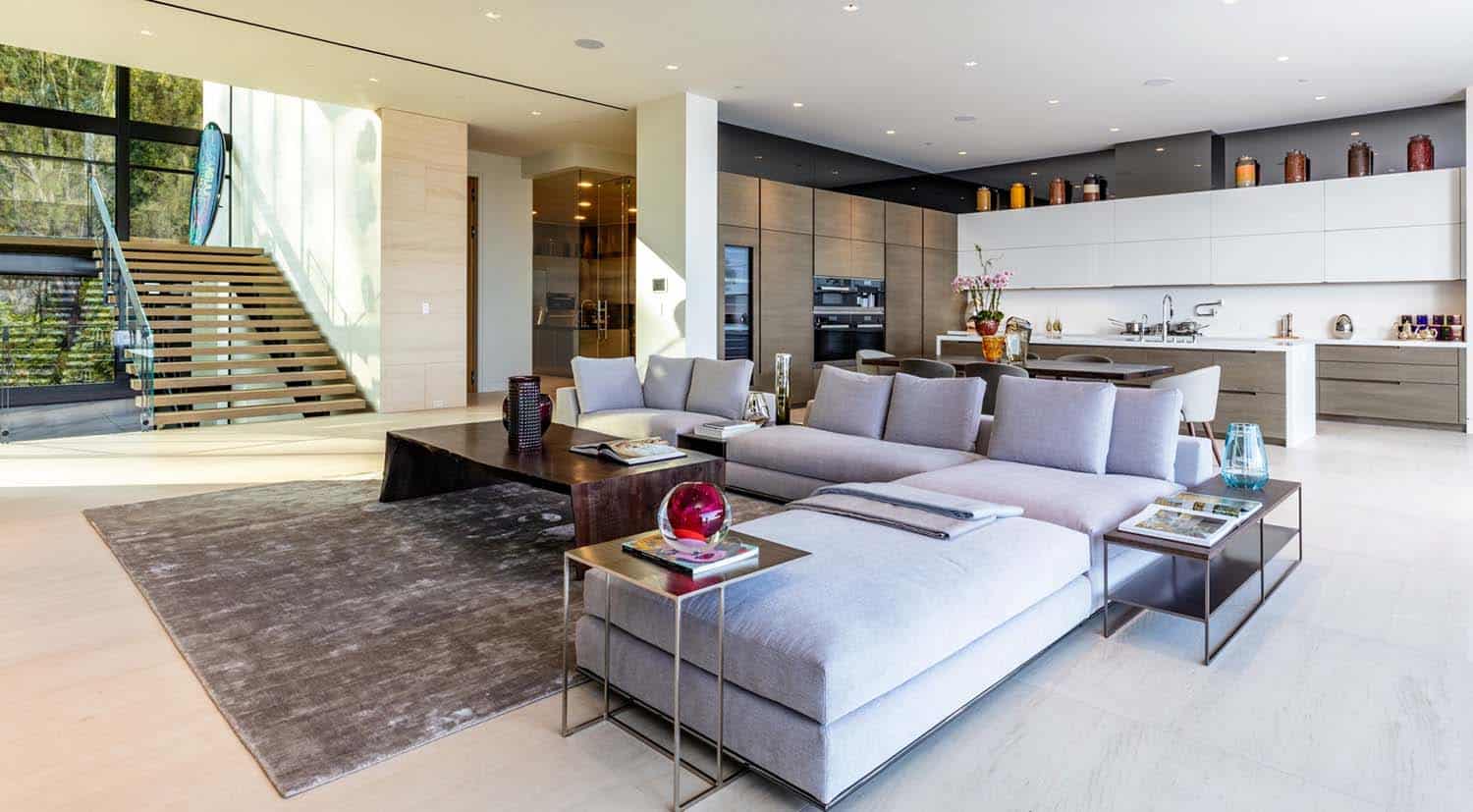
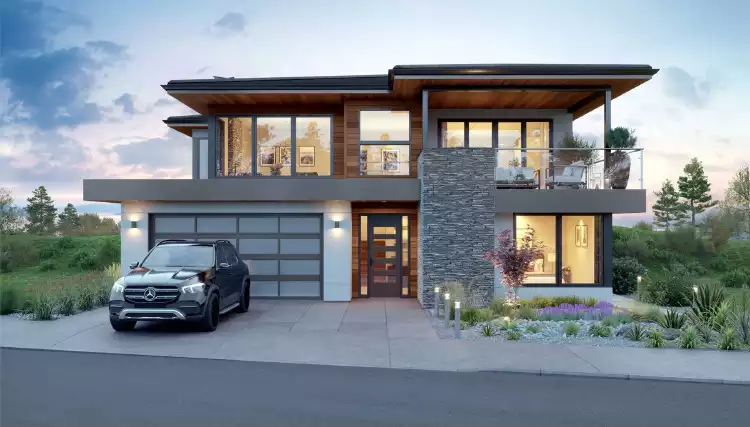
The search for the perfect home is often a quest for a lifestyle. Today, that lifestyle prioritizes fluidity, natural light, and efficiency—qualities perfectly embodied by Contemporary House Plans. Far from being a rigid style, contemporary design is a constantly evolving architectural movement defined by the “here and now.” It captures the latest trends in technology, sustainability, and human-centric living, making it the most sought-after design for new custom homes.

If you are looking to build a forward-thinking, energy-efficient, and supremely functional home, understanding the core principles of contemporary architecture is your first step.


Contemporary vs. Modern: Understanding the Core Difference

Before diving into the features, it’s crucial to clarify the most common confusion in architectural terms:

  • Modern House Plans refer to a specific, historical style rooted in the early to mid-20th century (think 1920s to 1950s—the influence of architects like Frank Lloyd Wright and the Bauhaus movement). Modern design
Read more Continue Reading

Why Custom Home Floor Plans Are the Future of Living

In a world where ready-made solutions dominate, your home remains the ultimate expression of individuality. While stock plans offer convenience, the modern homeowner increasingly seeks a residence that is perfectly calibrate to their unique lifestyle, budget, and aspirations. This is the enduring power of Custom Home Floor Plans.

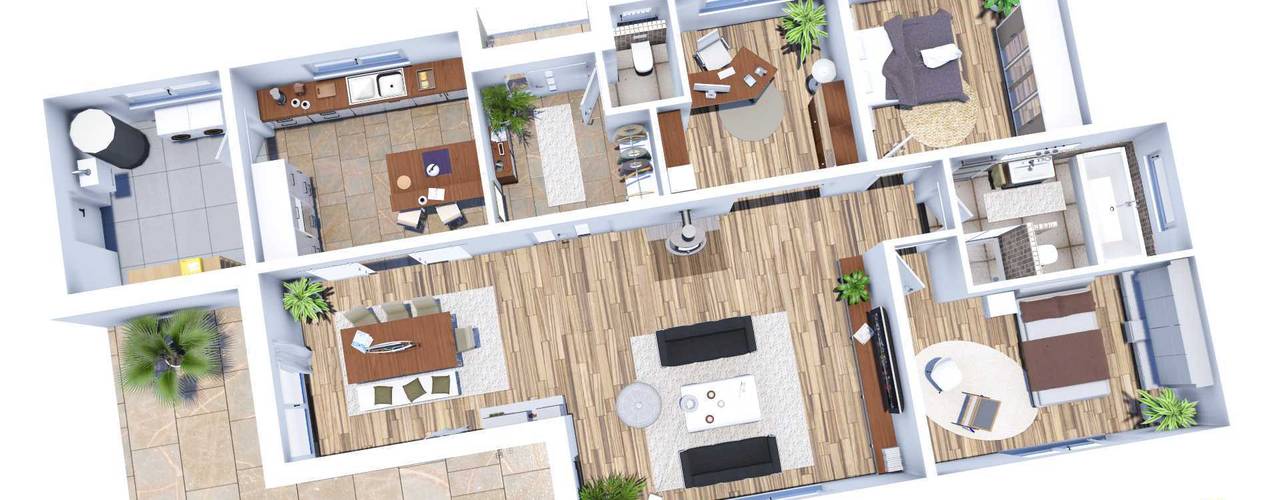
Moving beyond generic layouts, a custom plan is a collaboration between you and an architect—a meticulous roadmap that ensures every foot of your home is intentional, functional, and deeply personal. It’s the only way to guarantee your house is not just a structure, but a high-performing, long-term sanctuary built specifically for your life.

1. The Power of Personalization: Designing for Your Life

The primary benefit of a custom plan is the absolute control it grants over how your space is utilize. A house built from a custom blueprint seamlessly integrates with the rhythm of your daily life, creating efficiencies and comforts … Read more

Continue Reading

The Ultimate Guide to Innovative Tiny House Plans

The tiny house movement is more than just a trend—it’s a revolutionary approach to intentional living, financial freedom, and sustainability. The true magic, however, lies in the Tiny House Plans themselves. These blueprints are masterclasses in architectural efficiency, transforming minimal square footage into highly functional, comfortable, and personalized sanctuaries.

Designing a successful tiny home is not about shrinking a standard house; it’s about innovating every dimension. If you are considering downsizing, seeking financial independence, or simply embracing a minimalist lifestyle. Understanding the evolution of tiny house plans is your first, most critical step.

1. The Loft Revolution: Stairs, Storage, and Sleeping

The most significant innovation in tiny house floor plans is the evolution of the sleeping loft. No longer just a cramped crawl space accessed by a rickety ladder. The modern loft is a key element that dictates both functionality and aesthetics.

  • Integrated Storage Stairs: The ladder is being replaced
Read more Continue Reading

Essential Features of the Modern Farmhouse Floor Plan

The Farmhouse style is more than just shiplap and oversized barn doors; it’s a design philosophy rooted in practicality, comfort, and gathering. In an increasingly fast-paced world, the appeal of the Farmhouse floor plan lies in its ability to blend rustic. Timeless charm with the open, flexible spaces required by modern family life.

Today’s Farmhouse Floor Plans are a seamless fusion of the traditional—think generous porches and big country kitchens. With the contemporary, embracing open-concept living, energy efficiency, and functional utility spaces. If you’re planning to build a home that feels both grand and cozy. Here’s a deep dive into the must-have elements that define the best modern Farmhouse layouts.

1. The Open-Concept Core: The Heart of the Home

While traditional farmhouses often had distinct, compartmentalized rooms, the modern interpretation hinges on a sprawling. Interconnected central area that serves as the home’s gravitational center.

The Seamless Flow

The most desirable … Read more

Continue Reading

The Evolving Landscape of European Mosque Plans

The sight of a new mosque rising on the skyline of a European city is a powerful visual marker of a changing continent. Once hidden away in repurposed warehouses or discreet backstreets. The modern European mosque is increasingly taking its place in the public square. Sparking intense debate, driving architectural innovation, and redefining the relationship between religion, public space, and national identity.

The planning and construction of these new centers are far more than mere building projects. They are complex socio-political statements, navigating challenges from local opposition. And planning bureaucracy to funding controversies and the drive for genuine integration. The future of European multiculturalism can, in many ways, read in the blueprints of its newest mosques.

The Architecture of Integration: Form and Function

The new wave of European mosque architecture marks a decisive shift away from traditional. Transplanted styles towards designs that reflect a modern, localized ‘Euro-Islam.’

1. A Dialogue

Read more Continue Reading