Strategic Principles for Designing Your Dream Home and Floor Plan

Building a custom home represents one of the most significant life investments you can make. It offers a rare opportunity to tailor every square foot to your family’s routine, aesthetic preferences, and long-term goals. However, translating abstract ideas of a dream home into a functional, physical blueprint requires more than simply choosing attractive finishes or browsing online exterior photos.

A truly successful home design blends architectural beauty with spatial efficiency. By taking a thoughtful, structured approach to floor plan development, you can create a living environment that adapts seamlessly to your lifestyle over time. Here are the core strategies to guide your layout decisions and bring your vision to life.

1. Prioritize Functional Traffic Flow and Spatial Zoning

A well-designed floor plan coordinates the movement of people throughout the house without causing friction or bottlenecks. Before considering decorative elements, focus on how daily activities unfold within the space.

  • Separate Public
… Read more

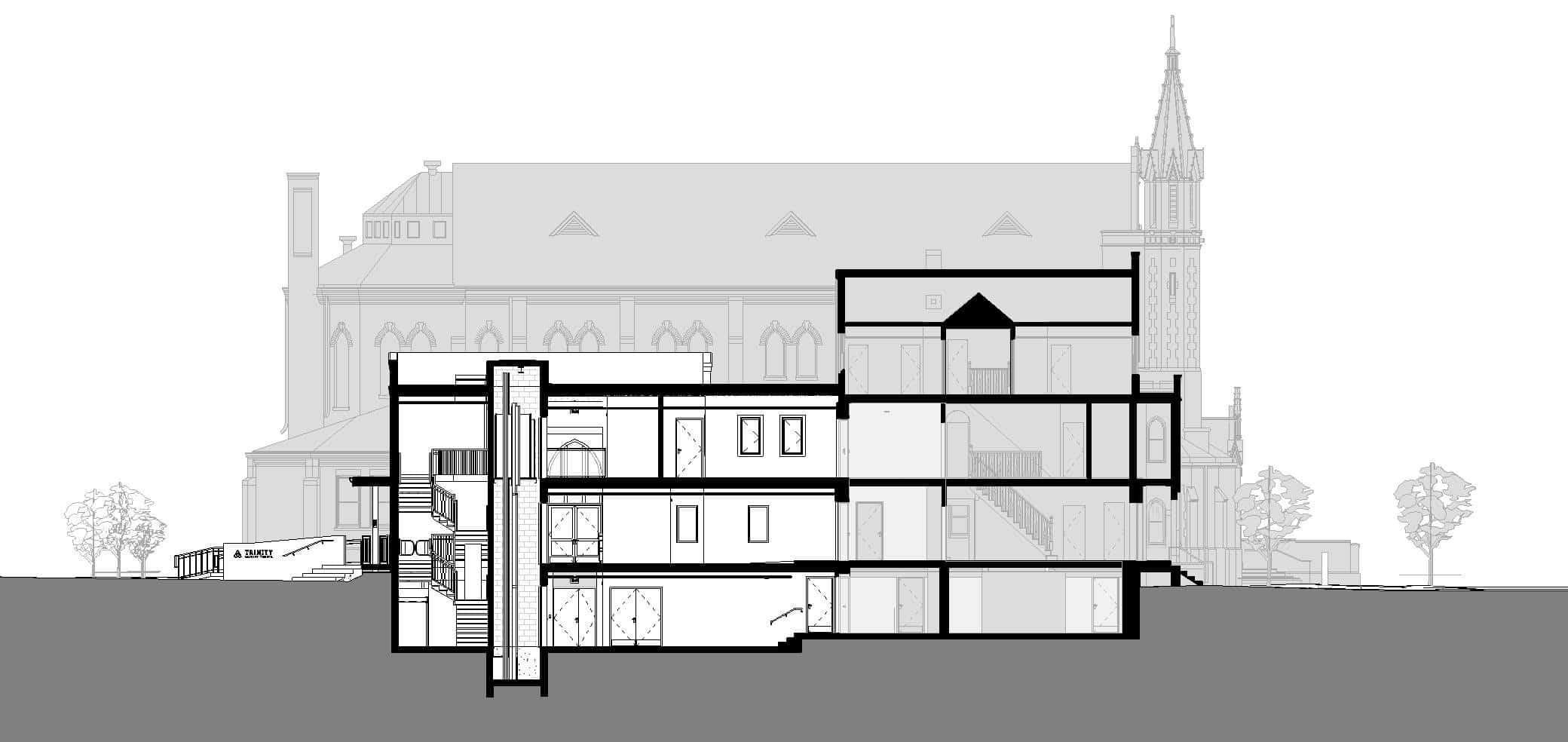
Architectural Plans and Sections: Unveiling the Blueprint of Design Mastery

Architectural plans and sections serve as the blueprint of design mastery, offering a glimpse into the intricate layers of a building’s spatial organization and structural composition. These essential documents not only convey the vision of the architect but also serve as a roadmap for construction, guiding builders and craftsmen in bringing architectural marvels to life. Join us on an enlightening exploration as we unravel the significance, intricacies, and artistry embedded within architectural plans and sections.

Deciphering Architectural Plans: The Language of Design

  1. Blueprint of Vision:
    Architectural plans are the visual representation of an architect’s vision. These detailed drawings provide a comprehensive overview of a building’s layout, including floor plans, elevations, and annotations that communicate design intent and spatial relationships.
  2. Spatial Organization:
    Floor plans delineate the spatial organization of a building, illustrating the arrangement of rooms, corridors, and circulation paths. Each element is meticulously positioned to optimize functionality, flow, and user
… Read more