In the modern urban landscape, space has become one of the most precious commodities. As housing prices rise and remote work becomes a permanent fixture of our professional lives, many homeowners and renters find themselves feeling “boxed in.” The instinctual reaction to a cramped living environment is often to look for a larger property, but in 2026, the savvy inhabitant knows that moving is not the only solution. Acquiring additional space is often less about increasing the physical footprint of a building and more about the strategic optimization of existing volume.
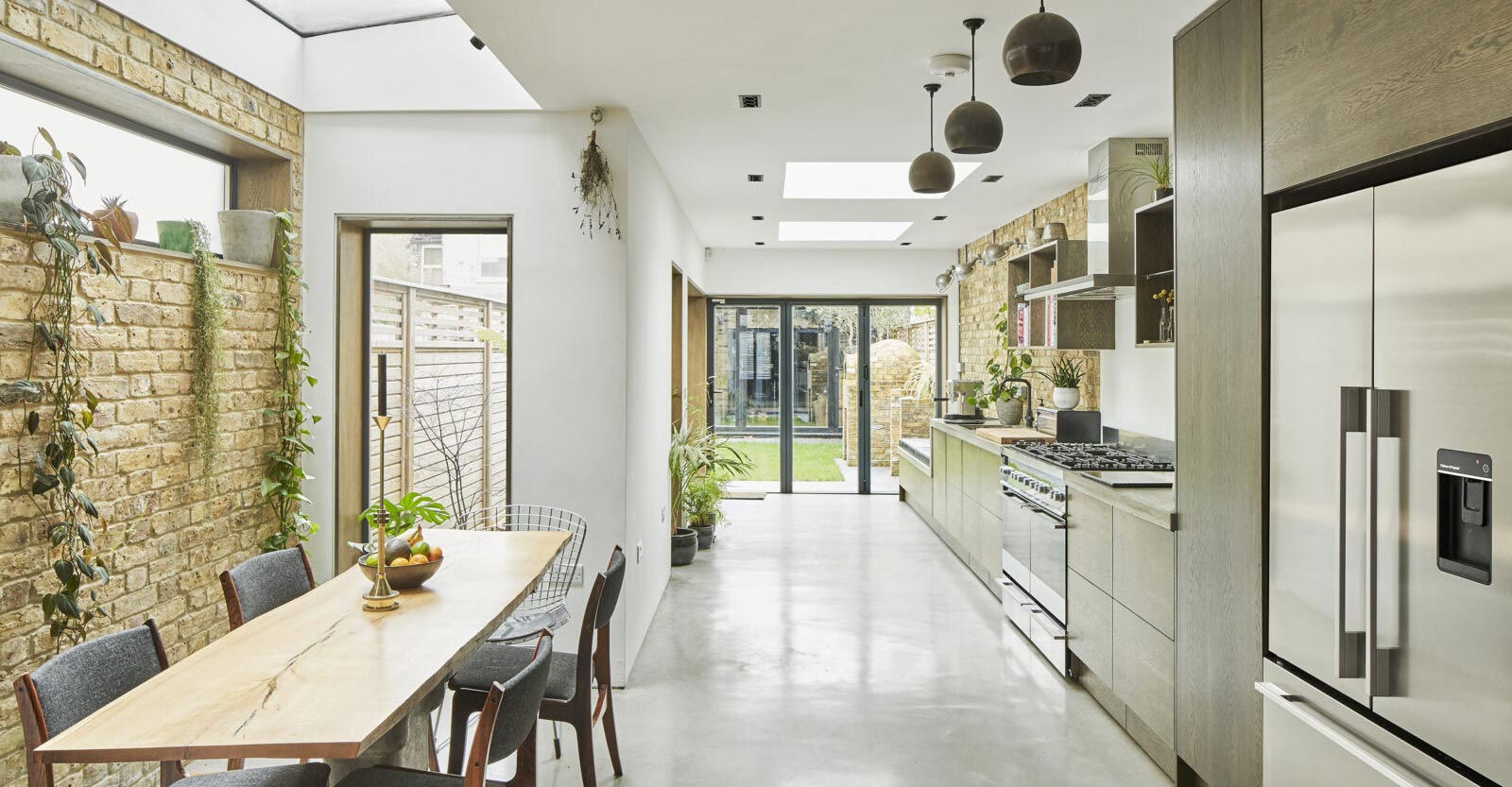
By applying a mix of architectural ingenuity, furniture innovation, and psychological design, you can “find” significant square footage that was previously hidden in plain sight. Here are practical, high-impact strategies to acquire the extra space you need without the upheaval of a relocation.
Redefining the Vertical Plane
The most common mistake in home organization is thinking exclusively in terms of floor area. Most rooms possess a vast amount of unused volume between eye level and the ceiling. To acquire additional space, you must stop looking down and start looking up.
Floor-to-ceiling shelving units are a transformative addition to any room. By extending storage to the ceiling, you can move items that are used infrequently—such as seasonal decor, archival documents, or specialty kitchen appliances—out of your immediate line of sight and off the floor. Furthermore, vertical storage can serve an architectural purpose; a wall of books or curated objects creates a sense of height, making a small room feel grander. In hallways or entryways, consider installing high-level “library shelves” that run above door frames. This utilizes space that is traditionally ignored and keeps the walkway clear.
The Power of Multi-Functional Environments
In a traditional home, rooms are often assigned a single identity: the bedroom is for sleeping, the dining room for eating, and the guest room for visitors who may only arrive twice a year. This rigid categorization is a luxury that modern living rarely affords. Acquiring space often requires “merging” these identities.
One of the most effective ways to do this is through the integration of transformable furniture. The Murphy bed, once a clunky relic of the past, has been reinvented in 2026 as a sleek, motorized piece of high-end design that can include a built-in desk or sofa when folded. This allows a guest room to serve as a high-functioning home office for 350 days of the year. Similarly, extendable dining tables and nesting coffee tables allow you to maintain a sense of openness during daily life while providing the capacity to host large groups when necessary. When every piece of furniture serves at least two purposes, you effectively double the utility of your square footage.
Reclaiming the “Dead Zones”
Every home has “dead zones”—areas that are too small for traditional furniture or are awkwardly shaped, such as the space under a staircase, the gaps beside a chimney breast, or deep corner cupboards. Acquiring additional space involves identifying these pockets and giving them a purpose.
The area beneath a staircase is a prime candidate for a custom “pull-out” storage system. Instead of one large, dark closet where items get lost, install a series of triangular drawers on heavy-duty runners. This allows for organized storage of shoes, coats, or even a pantry extension. In kitchens, “blind corners” can be reclaimed using sophisticated “Lazy Susan” or “LeMans” pull-out trays that bring the back of the cupboard to you. By eliminating these pockets of wasted space, you reduce the need for external storage units or bulky wardrobes elsewhere in the house.
External Expansion: The Micro-Addition
If your interior options are exhausted, look toward the immediate exterior. Acquiring space does not always require a full-scale renovation or a multi-story extension. In recent years, “micro-additions” and modular garden rooms have become the gold standard for adding high-quality square footage.
A detached garden pod or a converted garage can provide the physical separation necessary for a quiet workspace, a fitness studio, or a creative workshop. Because these structures are often modular and prefabricated, they can be installed in a fraction of the time it takes for a traditional brick-and-mortar extension. Furthermore, these spaces often fall under different planning regulations, making them a faster and more cost-effective way to acquire a completely new room.
Psychological Space and Visual Transparency
Sometimes, the need for more space is psychological rather than physical. A room filled with heavy, dark furniture and opaque barriers will always feel smaller than it actually is. To acquire a sense of additional space, you must master the art of visual transparency.
Replacing solid interior doors with glass-paneled doors (or “Crittall-style” steel frames) allows light to flow between rooms, extending the sightline and making the home feel like one continuous, expansive environment. Similarly, choosing furniture with “low profiles” and “exposed legs” allows you to see more of the floor and walls, which tricks the brain into perceiving more volume. Using mirrors strategically—placing them opposite windows to reflect light and views—can effectively “double” the visual depth of a narrow room.
Conclusion
Acquiring additional space is a creative challenge that rewards those who look beyond the obvious. It is a process of reclaiming the vertical, embracing multi-functionality, and eliminating the “dead zones” that quietly diminish our living quality. Whether through the installation of high-level shelving, the adoption of transformable furniture, or the addition of a modular garden room, the goal is to create a home that breathes. When we optimize our environment, we don’t just find more room for our belongings; we find more room for ourselves. A well-optimized home feels larger not because it has more square feet, but because every square foot is being used with intention and intelligence.
Would you like me to create a customized “Space Audit” checklist to help you identify which specific areas of your home are currently being underutilized?