In the fast-paced world of 2026, the home has become more than just a place of residence; it is a sanctuary from the digital noise and environmental chaos of modern life. This shift in perspective has fueled the global resurgence of minimalist house design. Far from being a cold or empty aesthetic, modern minimalism is rooted in the philosophy of “intentional living.” It is about stripping away the superfluous to make room for what truly matters—light, space, and tranquility.
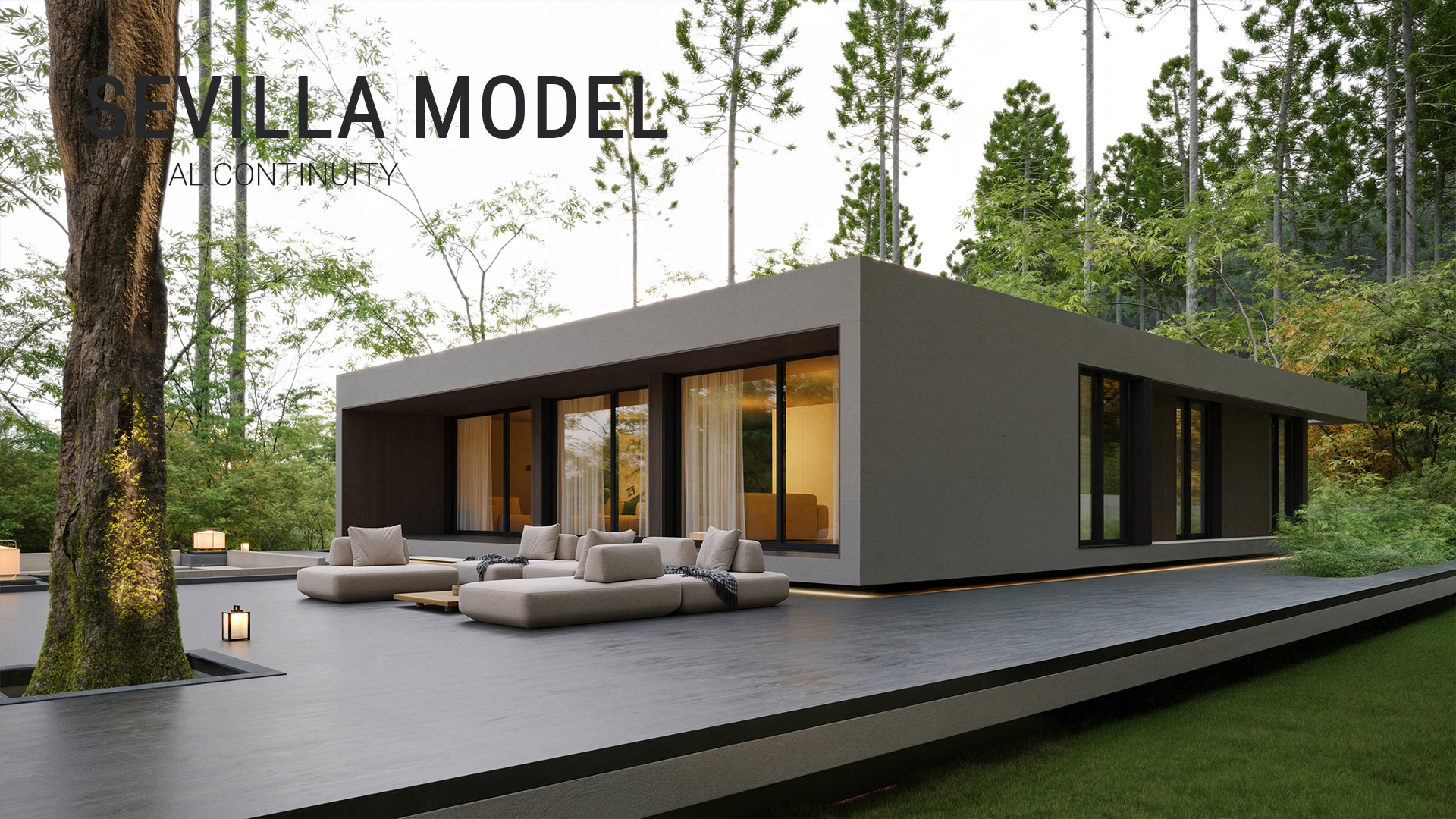
Creating a minimalist home is not merely an act of decluttering; it is a disciplined architectural and interior design strategy. To achieve a space that feels both expansive and cozy, one must understand the delicate balance between form and function. If you are looking to transform your living space into a minimalist masterpiece, consider these essential design tips.
The Foundation of a Neutral Color Palette
The journey toward minimalist design almost always begins with color. A neutral palette serves as the canvas upon which the rest of the design is built. In 2026, the trend has moved away from stark, clinical whites toward “warm minimalism.” This involves using a base of soft off-whites, sandy beiges, and muted greys.
A monochromatic or analogous color scheme reduces visual noise, allowing the eye to move smoothly across the room without being interrupted by jarring contrasts. This sense of continuity is what creates the illusion of a larger, more open space. If you wish to add depth, do not reach for bright colors. Instead, use different shades and tones of your base neutral color to create a sophisticated, layered look that feels calm and cohesive.
Prioritizing Quality Over Quantity in Furniture
In a minimalist house, every piece of furniture must earn its place. The “less is more” mantra dictates that you should invest in fewer, higher-quality pieces rather than filling a room with inexpensive, trendy items. Minimalist furniture is characterized by clean lines, defined edges, and a lack of ornate detailing.
When selecting furniture, look for “floating” designs—such as wall-mounted consoles or sofas with slim, exposed legs. These pieces allow the floor to remain visible underneath, which significantly increases the sense of flow and openness in a room. Additionally, multi-functional furniture is a cornerstone of minimalist living. A dining table that doubles as a sleek workspace or a bed with hidden integrated storage helps maintain the clean aesthetic while serving the practical needs of a modern household.
Harnessing the Power of Natural Light and Windows
Light is perhaps the most critical “material” in minimalist architecture. A well-designed minimalist home maximizes natural light to breathe life into the neutral color palette and highlight the textures of the room. Large, unobstructed windows are a hallmark of this style.
If privacy is a concern, opt for sheer, light-filtering curtains or recessed roller shades rather than heavy drapes. The goal is to blur the boundary between the indoors and the outdoors. In 2026, many minimalist designs incorporate “clere-story” windows—high, narrow windows placed near the ceiling—which allow sunlight to flood the space while maintaining total privacy. The interplay of shadows and light throughout the day adds a dynamic, natural element to the home that no piece of decor could ever replicate.
Texture as the Silent Decorator
A common critique of minimalism is that it can feel “boring” or “lifeless.” To avoid this pitfall, you must master the art of texture. In the absence of bold patterns and bright colors, texture becomes the primary tool for adding visual interest and warmth.
Mix different natural materials to create tactile variety. Pair a smooth concrete floor with a soft wool rug, or place a linen-upholstered armchair next to a reclaimed wood side table. These subtle contrasts engage the senses and make a room feel “finished” without the need for excessive ornaments. Stone, leather, brushed metal, and organic cotton are all excellent materials that age beautifully and contribute to the timeless feel of a minimalist home.
The Rule of “One In, One Out” for Decor
Decoration in a minimalist home should be highly intentional. Instead of a shelf full of small trinkets, choose one large, impactful piece of art or a single sculptural vase. This creates a “breathable” environment where each object has space to be appreciated.
To maintain the integrity of your design over time, many professionals suggest the “one in, one out” rule: for every new item brought into the home, one must be removed. This prevents the slow creep of clutter that can easily derail a minimalist aesthetic. Remember that empty space—often called “negative space”—is a design element in itself. Leaving a wall bare or a tabletop clear is a deliberate choice that contributes to the overall sense of peace.
Smart Storage: The Secret to Hidden Functionality
The biggest challenge of minimalist living is the reality of daily life. We all have “stuff”—chargers, documents, kitchen gadgets, and seasonal clothing. The secret to a successful minimalist home is invisible storage.
Integrate floor-to-ceiling cabinetry that blends seamlessly with the walls. Use “push-to-open” mechanisms instead of bulky handles to maintain a flush, clean surface. By having a designated, hidden place for everything, you can clear the visual clutter from your living surfaces, allowing the architectural beauty of the home to shine through.
Conclusion
Minimalist house design is a powerful tool for improving one’s quality of life. By focusing on essential elements—neutral palettes, high-quality furniture, natural light, and rich textures—you create an environment that supports mental clarity and relaxation. It is a journey of refinement, requiring you to constantly evaluate what is truly necessary. While the transition to minimalism may require effort and a change in shopping habits, the result is a home that feels timeless, sophisticated, and, above all, peaceful. A minimalist home doesn’t just look better; it allows you to live better by removing the distractions that clutter both your physical space and your mind.
Would you like me to create a specific room-by-room decluttering guide to help you prepare your current space for a minimalist redesign?