In an era where personal style and sustainability are paramount, expensive interior design is out, and smart, thrifty decorating is definitively in. You don’t need a limitless budget or a personal interior designer to create a home that is both magazine-worthy and deeply reflective of your personality. The secret lies in cultivating a creative mindset, embracing the magic of the secondhand market, and knowing exactly where to spend and where to save.
This guide is your blueprint for achieving high-end aesthetics without the high-end price tag. By focusing on smart DIY projects, strategic shopping, and creative arrangement, you can transform your space into a stunning, unique sanctuary on a shoestring budget.
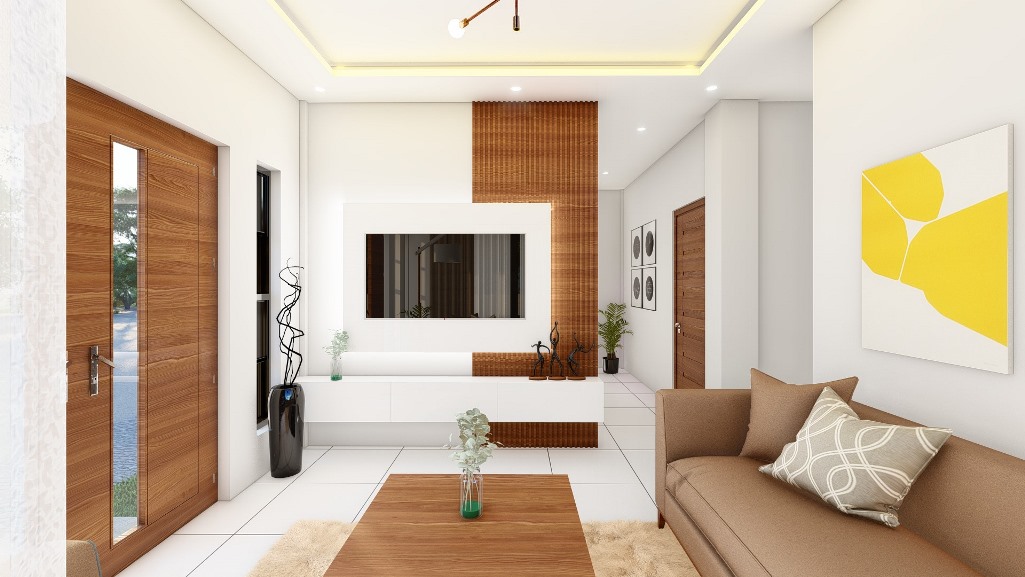
The Art of the Thrift Store Treasure Hunt
Thrift stores, flea markets, and online marketplaces (like Facebook Marketplace or Craigslist) are the gold mines of thrifty design. Learning to spot potential in a dusty corner can save you hundreds, but it requires a discerning eye and a plan.
1. See Potential, Not Imperfection
The biggest mistake amateur thrifters make is dismissing items that need a little love. You are not shopping for a finished product; you are shopping for a project base.
- Focus on Bones: When looking at furniture, ignore worn fabric or scratched paint. Instead, look for solid wood construction, unique silhouettes, and functional size. A high-quality, solid wood dresser for $50 is an absolute steal, even if it needs new paint or hardware.
- The Power of Paint: Paint is the most affordable and effective tool in a thrifty designer’s arsenal. A can of matte black, crisp white, or a vibrant jewel tone can transform an outdated lamp base, a tacky frame, or a chipped wooden chair into a modern statement piece.
- Hardware Upgrade: Never underestimate the impact of new drawer pulls or cabinet knobs. Replacing the cheap, dated hardware on thrifted cabinets or dressers with sleek brass, leather pulls, or geometric ceramic knobs instantly elevates the piece, giving it a custom, expensive feel.
2. Thrifty Decorator Must-Haves
Interior designers consistently look for a few key items at thrift stores because they offer maximum character for minimal cost:
- Vintage Frames: Buy frames in various sizes, styles, and finishes. Spray-paint them all one color (gold, black, or white) and use them to create a chic, cohesive gallery wall featuring personal photos, free downloadable art prints, or even stylish wallpaper scraps.
- Textured Baskets and Trays: These are essential for stylish storage. Use woven baskets to hide clutter, store blankets, or house indoor plants. Use stone, wood, or metal trays to corral small items on coffee tables or nightstands, creating intentional, tidy vignettes.
- Unique Vases and Glassware: Thrift stores are overflowing with unique glass, ceramic, and brass containers. Group odd-numbered collections of mismatched vases on a mantel or shelf to create visual interest. They look expensive when filled with simple greenery or even just displayed empty.
Strategic Spending: Where to Splurge (and Save)
Designing on a budget isn’t about never spending money; it’s about being strategic. You should reserve your budget for items that deliver the most visual impact and functionality.
| Where to SPLURGE (Invest in Quality) | Where to SAVE (Go Thrifty/DIY) |
| Statement Lighting: A great chandelier or pendant light is a room’s jewelry and cannot be faked. | Accent Decor: Vases, picture frames, small sculptures, and trinkets are perfect for thrifting and DIY. |
| High-Use Furniture: The sofa, the mattress, and the dining table should be comfortable and durable. | Textiles: Use affordable throw blankets, pillow covers (you can swap out covers seasonally!), and DIY curtains. |
| Wall Paint: Quality paint ensures true color and durability, transforming the entire space’s atmosphere. | Wall Art: Create your own canvas art, or use framed fabric/scarves instead of expensive original paintings. |
Big Impact, Zero Cost: The Power of Arrangement and Repurposing
Some of the most transformative design tips are entirely free and simply require a little time and creativity.
1. The Room Shuffle (The Free Makeover)
Before you buy anything new, “shop” your own home. Take everything off the walls, remove all decor, and start fresh.
- Re-zone Your Space: Move furniture from one room to another. Use a console table from the hallway as a desk, or move a bedroom armchair into the living room for a fresh look.
- Create Intentional Zones: Use area rugs (a fantastic budget find) to anchor different sections of a large room. Place your sofa away from the wall to create a more intimate, designer-like grouping.
2. Textile Magic: Layering for Luxury
The cheapest way to make a room look expensive is through textiles. Layers create depth, texture, and a cozy, inviting atmosphere.
- Pillow Talk: Buy plain, inexpensive pillow inserts and rotate cheap, trendy pillow covers. Mix different textures—think linen, faux fur, and velvet—to create a visually rich look.
- Draping Throws: Always have a chunky knit or textured throw blanket casually draped over the back of a sofa or the edge of a bed. This adds immediate softness and warmth.
- DIY Curtains: Instead of expensive custom drapes, look for affordable curtain panels and hang them high and wide. Hanging rods close to the ceiling and extending the curtains beyond the window frame tricks the eye into making windows look larger and ceilings look taller.
Conclusion: Your Home, Your Masterpiece
Thrifty home design is not a sacrifice; it is an intelligent, eco-conscious, and uniquely personal way to decorate. By embracing the principles of the treasure hunt—prioritizing an item’s potential over its current state—and using budget-friendly power tools like paint, textiles, and smart rearrangement, you can build a home full of character, stories, and style. The greatest luxury in design is having a home that is entirely and authentically yours, and that is priceless.