Transforming a living space often feels like a task reserved for high-budget decorators or dramatic structural overhauls. Many homeowners and renters assume that achieving a cohesive, stylish interior requires replacing every piece of furniture or stripping rooms down to the studs. However, true interior design is less about total reconstruction and more about understanding how subtle spatial shifts, textures, and visual anchors influence how a room feels and functions.
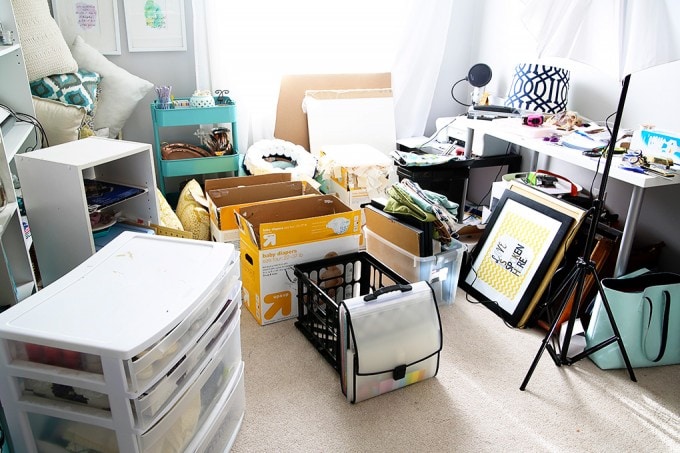
By approaching your living environment with a fresh perspective, you can dramatically elevate your home’s aesthetic without unnecessary stress or financial strain. Here are actionable, professional interior design strategies designed to help you transform your space into a harmonious, functional haven.
Establish Clear Visual Anchors in Every Room
A common mistake in non-professional decorating is allowing a room to feel chaotic due to a lack of structure. Every well-designed room requires a focal point—a primary feature that draws the eye immediately upon entering and creates a sense of order.
- Identify the natural anchor: In some spaces, the focal point exists naturally, such as a large window frame, a fireplace, or a built-in architectural shelf. Highlight this feature by arranging furniture toward it rather than competing against it.
- Create your own center of interest: If a room lacks architectural character, establish a focal point using a substantial piece of furniture, a striking large-format art print, or a distinct accent wall behind a main sofa or bed frame.
- Maintain spatial balance: Avoid crowding the focal point with smaller decorative objects. Allow sufficient negative space around key elements so the room feels expansive rather than cluttered.
Master the Art of Layered Lighting
Lighting determines the mood, perceived size, and overall utility of any interior. Relying exclusively on a single overhead ceiling light flattens a room, removing depth and producing harsh overhead glare. Professional interiors rely on a layered lighting strategy to build dimension and warmth.
- Ambient lighting: This serves as the primary base layer, usually supplied by recessed lights, chandeliers, or broad flush mounts that evenly illuminate the general area.
- Task lighting: Target specific functional zones with concentrated light source installations. Use adjustable desk lamps for workspaces, under-cabinet lighting strips in kitchen preparation zones, and focused reading lamps beside armchairs.
- Accent lighting: Bring depth to your decor by illuminating architectural details, artwork, or plant displays. Directional spotlights, subtle wall sconces, or warm LED strip lighting behind open shelving add immediate sophistication.
Balance Scale and Proportion Across Furniture Layouts
Furniture selection and arrangement dictate the flow of movement and visual rhythm throughout your home. A room filled entirely with oversized pieces feels cramped, while a space dominated by delicate, thin-legged furniture can feel detached and incomplete.
- Mix high and low profiles: Pair substantial pieces, such as a deep sectional sofa, with airy elements like glass-topped coffee tables or thin-framed metal chairs to maintain visual balance.
- Allow breathing room for traffic: Maintain clear pathways throughout every room. As a general rule, leave at least 30 to 36 inches of space for high-traffic walkways to prevent the environment from feeling restricted.
- Anchor seating with properly sized rugs: A frequent design oversight is selecting an area rug that is too small for the room. Ensure that at least the front legs of all major seating pieces rest on the rug to ground the conversational area effectively.
Introduce Texture to Add Warmth and Contrast
Color gives a room its initial personality, but texture provides tactile richness and longevity. A monochromatic or neutral room can feel cold and uninviting unless deliberate tactile elements are introduced to create depth.
- Combine contrasting materials: Pair raw, natural textures with smooth, refined finishes. For example, combine matte wooden surfaces with polished metal hardware, or natural linen upholstery with rich velvet accent cushions.
- Incorporate organic elements: Wood tones, stone accents, woven baskets, and indoor foliage break up rigid geometric lines and bring natural vitality into modern interiors.
- Vary soft furnishings: Layering throws, window curtains, and textured floor coverings prevents modern minimalist spaces from feeling sterile or impersonal.
Curate Decor with Intentional Restraint
The difference between a curated home and a cluttered one lies in restraint. Rather than filling every available surface with small decorative objects, approach styling with intentionality.
- Follow the rule of threes: When styling sideboards, mantels, or coffee tables, group items in odd numbers—particularly groups of three. Vary the height, shape, and material of the items within the cluster to create dynamic visual harmony.
- Rotate decorative pieces seasonally: Instead of displaying every item you own simultaneously, store a portion of your decor and rotate items periodically. This keeps your home environment feeling refreshed and dynamic without adding extra physical clutter.
- Scale up artwork: A single large piece of art often creates a stronger, cleaner aesthetic impact than a collection of mismatched small frames scattered across a large wall surface.
Conclusion
Changing the atmosphere of your home does not require sweeping renovations or extravagant spending. By focusing on fundamental design principles—such as establishing clear focal points, layering multi-tiered lighting, balancing furniture proportions, and curating decor with restraint—you can fundamentally improve how your home looks and feels. Strategic, thoughtful adjustments allow you to craft a functional, refined living space that reflects your personal taste while serving your daily needs seamlessly.