The Victorian house stands as a monument to a fascinating era—a time of industrial boom, intricate craftsmanship, and maximalist design. Characterized by their ornate detailing, high ceilings, bay windows, and vibrant tilework, these homes (built roughly between 1837 and 1901) possess a timeless elegance and depth of history that modern architecture often lacks. However, owning or restoring a classic Victorian property is a labor of love that comes with its own unique set of challenges and responsibilities.
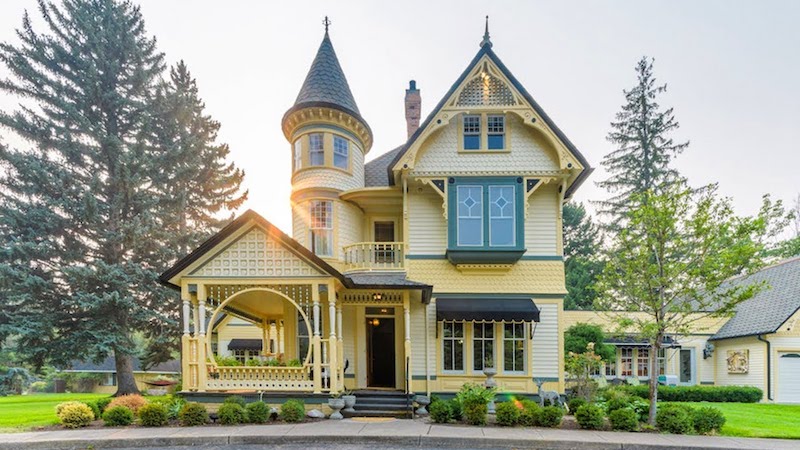
This guide provides essential tips for anyone looking to honor the heritage of their Victorian house while making it functional, comfortable, and beautiful for the 21st century. It’s about preserving the past without living in the past.
Phase 1: Respecting the Structure and History
The first rule of Victorian restoration is to do no harm. These structures have survived over a century, and your job is to be a careful custodian of their original materials and design.
1. Research Original Features
Before tearing down walls or replacing fixtures, research the specific style of your home (e.g., Queen Anne, Gothic Revival, Italianate). Look for historical clues beneath layers of paint or carpet. Original architectural drawings, old photographs, or even local historical societies can reveal details about the original color schemes, floor coverings, and window treatments.
- Tip on Plaster: Victorian walls were often finished with lime plaster, which breathes and handles moisture better than modern gypsum plasterboard. If repairs are needed, opt for traditional lime plastering techniques rather than simply covering large cracks with modern drylining, which can trap moisture and accelerate decay.
2. Prioritize External Integrity
The exterior details—the cornices, friezes, gingerbread trim, and slate roofs—are the defining elements of a Victorian house. Ensure they are structurally sound before tackling the interior.
- Wooden Details: Rotting wood trim (bargeboards or eaves) must be carefully repaired or replaced with materials matching the original wood species and profile. This is crucial not only for aesthetics but also for keeping moisture out of the main structure.
- Original Windows: Victorian sash windows are often single-glazed and drafty, but they are irreplaceable parts of the home’s character. Instead of wholesale replacement with modern double-glazing (which can look jarring), prioritize repair, draught-proofing, and restoration. Secondary glazing can be installed internally for energy efficiency without altering the external facade.
Phase 2: Mastering the Interior Details
Victorian interiors were designed to be layered, complex, and highly decorative. Bringing this aesthetic into the present requires balance.
3. Restoring the Verticality
Victorian homes are defined by their high ceilings. Enhance this sense of height and grandeur by restoring or adding period-appropriate coving and ceiling roses. These details draw the eye upward and provide anchor points for decorative lighting fixtures, such as crystal chandeliers, which were immensely popular during the era.
4. The Power of the Fireplace
The fireplace was the social and architectural heart of a Victorian room. If your home has original tiled fireplaces (or marble surrounds), make them functional and beautiful. If they have been removed, seek out salvaged cast iron and tile inserts appropriate to the period. A functional, restored fireplace instantly grounds the room in its historical context and provides an unbeatable focal point.
5. Flooring and Tilework
Many original Victorian homes feature beautiful encaustic tiles in hallways and geometric patterned quarry tiles in kitchens. If these are intact, restoration is key. For wooden floors (often wide pine boards), dark staining was typical in high-traffic areas, while original parquet flooring should be carefully sanded and sealed to retain its warmth. Authentic flooring is vital for setting the right historical tone.
Phase 3: Modern Comforts and Seamless Integration
The biggest challenge is making a home designed for gaslight and coal fires compatible with modern living.
6. Smart Electrical and Plumbing Upgrades
Old wiring and plumbing systems in Victorian homes are often dangerous or inadequate for modern demands. This is one area where wholesale replacement is necessary. Work with contractors experienced in period properties who know how to discreetly run wires and pipes without damaging original plasterwork or floorboards.
- Lighting: While modernizing the infrastructure, use period-style switches, dimmer systems, and historically accurate fittings that can accept modern LED bulbs.
7. Solving the Storage Challenge
Victorian homes, while large, weren’t designed with modern storage needs in mind. Combat clutter (which goes against the goal of a peaceful mood) by incorporating built-in furniture that mirrors the home’s architectural lines. Floor-to-ceiling shelving, fitted wardrobes, and window seats with hidden storage blend seamlessly while providing essential practicality.
8. Strategic Color Palette
While true Victorian colors were often dark and rich (burgundy, deep green, mustard), a modern interpretation can use these tones strategically. Use deeper colors in formal rooms like the dining room or library to create coziness, and lighter, historical neutrals (like soft creams or pale blues) in living areas and bedrooms to maximize light and space, preventing the rooms from feeling heavy or oppressive.
Conclusion
Owning a classic Victorian house is a rewarding journey into architectural history. By focusing on respecting the original structure, restoring key decorative details, and implementing smart, sympathetic modern upgrades, you can create a home that truly celebrates the grandeur of the past while offering all the comforts of the present. The result is a uniquely beautiful and character-filled space that stands apart from modern designs.