We often think of furniture purely in terms of function and aesthetics. It serves as a place to sit, a surface to work on, or a storage unit for our belongings. Yet, the pieces we choose to fill our homes and workspaces have a profound, often overlooked, impact on our psychological well-being, productivity, and overall happiness. Our environment is a constant feedback loop, and the quality, design, and organization of our furniture are central to creating a space that nurtures, rather than hinders, a positive mood.
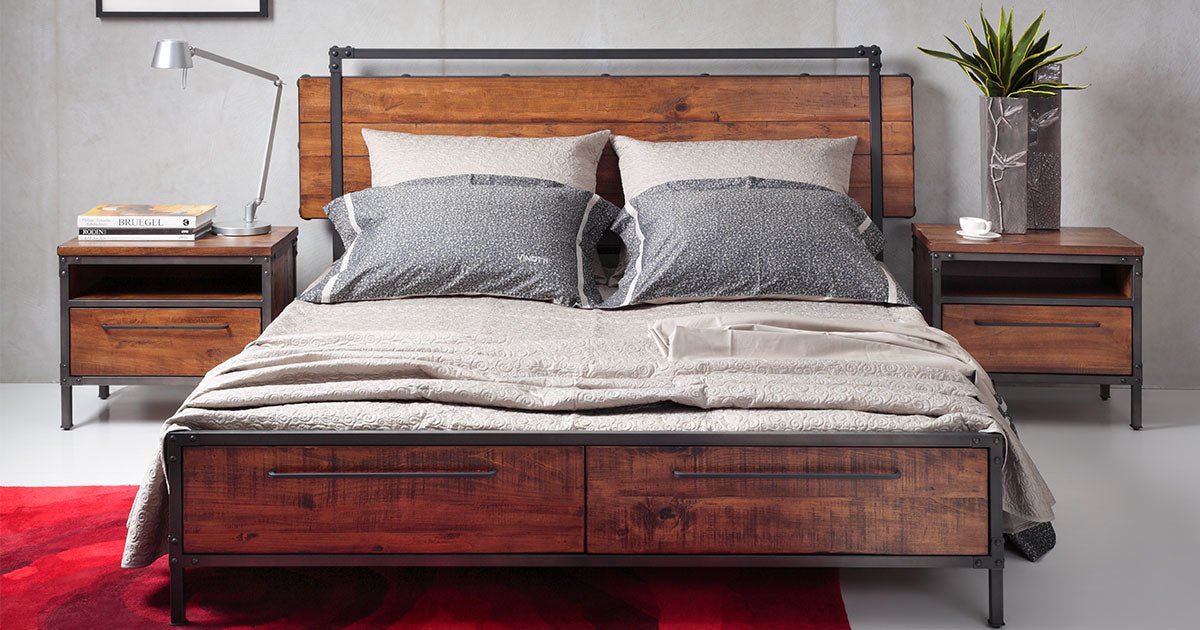
Investing in better furniture is not just about luxury; it’s an investment in your mental health. By understanding the principles of ergonomics, biophilic design, and intentional simplicity, anyone can transform their surroundings into a sanctuary that promotes calm, focus, and joy.
The Ergonomic Connection: Comfort as a Mood Stabilizer
The most immediate link between furniture and mood is through physical comfort and health. Poorly designed furniture actively contributes to stress and discomfort, which inevitably translates into a negative mental state.
Mitigating Pain and Distraction
Imagine spending eight hours a day hunched over a kitchen chair that’s too low, straining your neck and back. The resulting chronic pain and tension are major mood killers. Better furniture, particularly in a workspace, prioritizes ergonomics:
- Adjustable Desks and Chairs: A good office chair supports the natural curve of your spine, and an adjustable desk allows you to transition between sitting and standing. This variability reduces sedentary behavior, improves circulation, and minimizes the physical aches that distract us from work and enjoyment.
- Proper Sofas and Seating: In the living room, deep, sagging sofas might feel cozy for five minutes, but they offer no support. Quality seating ensures that your body is properly supported, allowing you to truly relax without subconsciously bracing against discomfort. When the body is at ease, the mind follows.
The Psychology of Flow
When your furniture is ergonomically aligned with your body, you eliminate physical obstacles to concentration. This allows you to enter a state of flow—that deep, focused engagement in a task. When you can work comfortably and efficiently, you feel more accomplished, which is a powerful boost to self-esteem and mood.
Design and Aesthetics: The Emotional Language of Form
Beyond function, the look and feel of your furniture communicate volumes to your subconscious mind, influencing your emotional state every time you enter a room.
Simplicity and Visual Calm
Cluttered spaces lead to a cluttered mind. Better furniture often adheres to principles of intentional simplicity. Pieces that are multi-functional, have clean lines, and provide smart, concealed storage (like ottomans with storage or built-in shelving) help minimize visual chaos. A tidy environment fosters a sense of control and reduces the low-level anxiety associated with mess.
Color and Texture
The materials and colors of your furniture are potent mood regulators:
- Natural Materials: Woods, linen, wool, and rattan invoke a sense of connection to nature (biophilia), which is scientifically proven to reduce stress levels. A solid wood table or a linen-upholstered armchair often feels grounding and calming.
- Color Psychology: Lighter, neutral tones in large furniture pieces (sofas, rugs) create an open, airy feeling, promoting tranquility. Brighter, more saturated colors can be introduced in smaller, easily changeable pieces (cushions, accent chairs) to inject energy and dynamism where needed.
Creating Zones of Purpose
Better furniture helps define functional zones within your home. A dedicated, beautiful armchair with a good reading light creates a calm reading nook; a spacious dining table invites communal gathering. By clearly delineating spaces for work, rest, and connection, your furniture directs your behavior, making it easier to shift from a stressful work mindset to a relaxed, familial one.
Quality and Durability: The Long-Term Comfort
The inherent quality of furniture profoundly affects our long-term mood by influencing our feeling of security and our perception of value.
The Joy of Durability
There is a subtle but persistent stress associated with cheap, disposable furniture that constantly wobbles, breaks, or needs replacing. High-quality furniture, built from solid materials with expert craftsmanship, provides a sense of permanence and reliability. Knowing that your sofa will last for a decade or that your desk is a sturdy foundation for your work reduces anxiety about wear and tear and future expense. This durability translates to mental peace.
Investing in Happiness
Choosing furniture that is better means consciously selecting pieces that resonate with your personal style and values, rather than settling for what is cheapest or most immediate. When you surround yourself with items you genuinely love and which enhance your daily life, you increase your overall appreciation for your home. This intentionality elevates the space from mere shelter to a source of joy and personal expression.
Conclusion
Furniture is rarely just functional; it is an active participant in your emotional landscape. By prioritizing ergonomic support, embracing intentional design simplicity, and investing in quality pieces that stand the test of time, you are actively curating a supportive, nourishing environment. A home filled with thoughtful, comfortable, and beautiful furniture is a home designed for mental well-being—proving that a better chair, a better table, and a better bed are indeed the cornerstones of a better, happier mood.