Home improvement projects often carry a reputation for being daunting, expensive, and reserved strictly for seasoned professionals or ambitious DIY enthusiasts. The idea of tearing down walls or embarking on full-scale kitchen renovations can easily discourage homeowners and renters alike. However, enhancing the functionality, comfort, and aesthetic appeal of your living space does not require a massive budget or specialized skills.
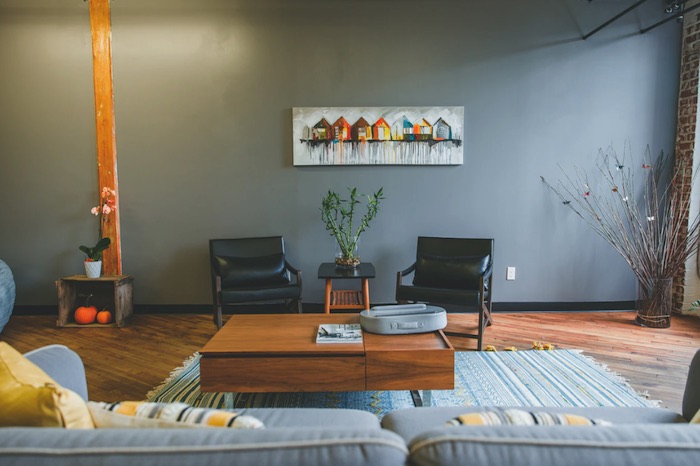
By shifting the focus toward manageable, high-impact upgrades, anyone can transform their home into a more inviting and efficient sanctuary. Here is a practical guide to home improvement strategies that require no advanced technical knowledge, yet yield immediate and noticeable results.
1. Upgrade Your Lighting Scheme
Lighting plays a fundamental role in shaping the atmosphere and perceived size of any room. Many living spaces suffer from rely light fixtures that cast harsh shadows or leave key areas dimly lit. Modernizing your lighting setup is one of the quickest ways to refresh your interior.
- Layer Your Light Sources: Instead of relying solely on a single overhead light, incorporate a mix of ambient, task, and accent lighting. Floor lamps in dark corners, table lamps on side tables, and under-cabinet LED strips in the kitchen instantly create warmth and depth.
- Switch to Warm, Energy-Efficient Bulbs: Replacing outdated incandescent bulbs with energy-efficient LED alternatives reduces electricity consumption. Opt for color temperatures around 2700K to 3000K to produce a cozy, welcoming glow rather than a clinical, blue-toned light.
- Install Smart Switches or Dimmers: Adding dimmer switches allows you to adjust light intensity based on the time of day or activity, elevating the mood without altering the room layout.
2. Revitalize Walls with Strategic Color and Decor
Paint remains the ultimate tool for budget-friendly home transformation. A fresh coat of paint can alter the scale of a room, cover years of wear and tear, and breathe life into tired decor.
- Focus on Focal Points: If painting an entire room feels overwhelming, consider an accent wall. Painting the wall behind your bed or sofa in a deep, complementary shade creates visual interest without requiring days of labor.
- Master the Art of Peel-and-Stick Wallpaper: For renters or those reluctant to commit to permanent changes, peel-and-stick wallpaper offers a versatile alternative. Use it on small accent walls, inside bookshelves, or behind entryway hooks for an elevated custom look.
- Hang Artwork at Eye Level: A common mistake in interior decorating is hanging art too high. Standard design principles suggest placing the center of a frame roughly 57 to 60 inches from the floor. Grouping smaller prints into a gallery wall can also make a modest hallway or dining area feel intentionally designed.
3. Maximize Storage and Eliminate Clutter
A well-organized home automatically feels larger, cleaner, and more restful. Improving your home’s functionality often comes down to creating efficient storage systems that streamline your daily routines.
- Utilize Vertical Space: When floor space is limited, look upward. Floating shelves installed above desks, toilets, or kitchen counters provide extra storage while keeping surface areas clear.
- Reorganize Closet Systems: You do not need custom cabinetry to improve closet storage. Modular hanging organizers, tiered shoe racks, and clear bins allow you to utilize every inch of space efficiently.
- Incorporate Dual-Purpose Furniture: Ottomans with hidden storage compartments, beds with built-in drawers, and foldable desks allow living areas to remain uncluttered while serving multiple daily needs.
4. Hardware Upgrades for Instant Polish
Cabinet handles, drawer pulls, door knobs, and faucets are the functional touchpoints of a home. Over time, original hardware can make kitchens and bathrooms look dated, even if the surrounding structures are in good condition.
- Swap Out Cabinet Hardware: Replacing standard or worn knobs with modern matte black, brushed nickel, or brass pulls can instantly elevate kitchen cabinets and bathroom vanities. This project requires nothing more than a simple screwdriver.
- Update Faucets and Fixtures: Installing a modern kitchen faucet or an upgraded showerhead improves both water performance and visual appeal. Most contemporary fixtures come with straightforward installation kits designed for quick setups.
5. Boost Curb Appeal at the Entrance
The exterior entryway sets the tone for the entire property. Enhancing your home’s curb appeal boosts overall pride of ownership and creates a positive impression for visitors.
- Refresh the Front Door: A bold new color on the front door—such as deep navy, classic forest green, or vibrant red—instantly modernizes the facade.
- Upgrade the House Numbers and Mailbox: Clear, modern house numbers improve visibility and give the entrance a sleek, updated appearance.
- Add Low-Maintenance Greenery: Placing matching planters on either side of the front door adds symmetry and natural vitality. Potted perennials or hardy shrubs require minimal upkeep while providing consistent charm.
Conclusion
Home improvement does not have to be an all-or-nothing endeavor reserved for major overhauls. By tackling small, deliberate projects—such as refining your lighting, adding fresh paint, optimizing storage, and updating hardware—you can significantly improve your daily living experience. These accessible projects allow you to build confidence, control your budget, and incrementally turn your living space into a functional, comfortable home you truly enjoy.