The tiny house movement is more than just a trend—it’s a revolutionary approach to intentional living, financial freedom, and sustainability. The true magic, however, lies in the Tiny House Plans themselves. These blueprints are masterclasses in architectural efficiency, transforming minimal square footage into highly functional, comfortable, and personalized sanctuaries.
Designing a successful tiny home is not about shrinking a standard house; it’s about innovating every dimension. If you are considering downsizing, seeking financial independence, or simply embracing a minimalist lifestyle. Understanding the evolution of tiny house plans is your first, most critical step.
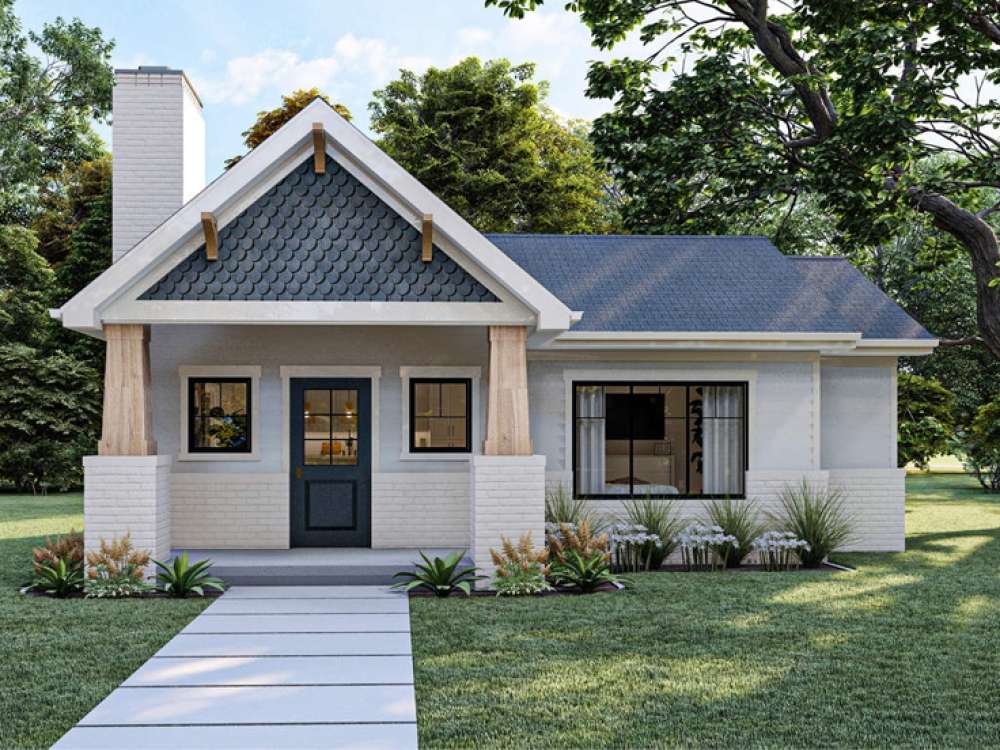
1. The Loft Revolution: Stairs, Storage, and Sleeping
The most significant innovation in tiny house floor plans is the evolution of the sleeping loft. No longer just a cramped crawl space accessed by a rickety ladder. The modern loft is a key element that dictates both functionality and aesthetics.
- Integrated Storage Stairs: The ladder is being replaced by staircase units that are architectural powerhouses. Every riser, tread, and railing is utilized for storage, typically housing deep drawers, a compact wardrobe, or pull-out pantry space. This design provides safer, easier access while solving a major storage challenge.
- Dual-Loft and Split-Level Designs: For couples or small families, plans often feature dual lofts separated by a central volume like the kitchen or bathroom. This provides essential privacy. Split-level designs allow for a slightly lower, more accessible loft over a single-story room, creating a sense of vertical volume without sacrificing head clearance.
- The Accessible Main Floor Bedroom: A growing number of plans, catering to retirees or those with mobility concerns, incorporate a full-sized bedroom on the main floor. These plans smartly utilize a higher ceiling in the common area to maintain the feeling of spaciousness despite the single-level footprint.
2. Multi-Functional Spaces: The Core of Tiny Living
In a tiny house, no room has a single purpose. The best plans incorporate features that can instantly transform a space to meet the changing needs of the day.
- Convertible Furniture Systems: High-tech, multi-purpose furniture is essential. Look for Murphy Beds that fold seamlessly into the wall (often behind a desk or shelving unit), dining tables that fold down from the wall or slide out from under a counter, and ottomans that double as extra seating and hidden storage.
- The Galley Kitchen Genius: Kitchens design in efficient galley or L-shapes, featuring apartment-sized, high-efficiency appliances and deep, full-height cabinetry. Counter space is often extended using butcher block covers over the sink or stovetop, maximizing prep area when not in use.
- Outdoor Living as an Extension: A successful tiny house plan strategically incorporates outdoor decks, covered porches, or roll-out awnings. These features effectively add an “extra room” to the home’s footprint, providing space for dining, relaxing, or working without adding enclosed square footage.
3. Sustainability and Off-Grid Considerations
Tiny house plans are naturally eco-friendly, but the latest blueprints bake sustainability directly into the architecture for true self-sufficiency.
- Extreme Climate Design: For cold-weather regions, plans prioritize thick, high R-value insulation (often spray foam or rock wool) in the walls, roof, and floor. Roof designs, such as pitched or gable roofs, are configured to handle heavy snow loads and prevent ice damming.
- Solar Orientation and Passive Heating: Off-grid plans strategically place larger windows on the south-facing side (in the Northern Hemisphere) to maximize natural light and passive solar gain, which significantly reduces heating needs in winter.
- Integrated Utility Systems: Advanced plans include dedicated spaces for a composting toilet, a greywater recycling system (to reuse sink and shower water for irrigation), and a roof structure engineered to support solar panels and a rainwater collection system.
Conclusion: A Roadmap to Intentional Living
A well-chosen Tiny House Plan is the single most important decision on the journey to tiny living. It is the roadmap that dictates your comfort, your efficiency, and ultimately, your lifestyle. By prioritizing smart, innovative storage, embracing convertible and multi-functional spaces, and integrating sustainable features, you are choosing a home that is financially responsible, environmentally sound, and perfectly tailored to a life focused on quality over quantity. The ultimate tiny house plan is one that proves you can live large, by living small.