The dining room has long occupied a unique position in the home. Historically a formal space reserved for holidays and special occasions, it has evolved in 2026 into a multifunctional hub. Today, the dining area serves as a workspace, a classroom, a craft station, and, most importantly, a place for social reconnection. Decorating this space is no longer just about choosing a table and chairs; it is about creating an atmosphere that balances functionality with aesthetic resonance. Whether you have a sprawling formal dining hall or a compact nook in an urban apartment, the right design choices can transform a utilitarian area into a sanctuary of style.
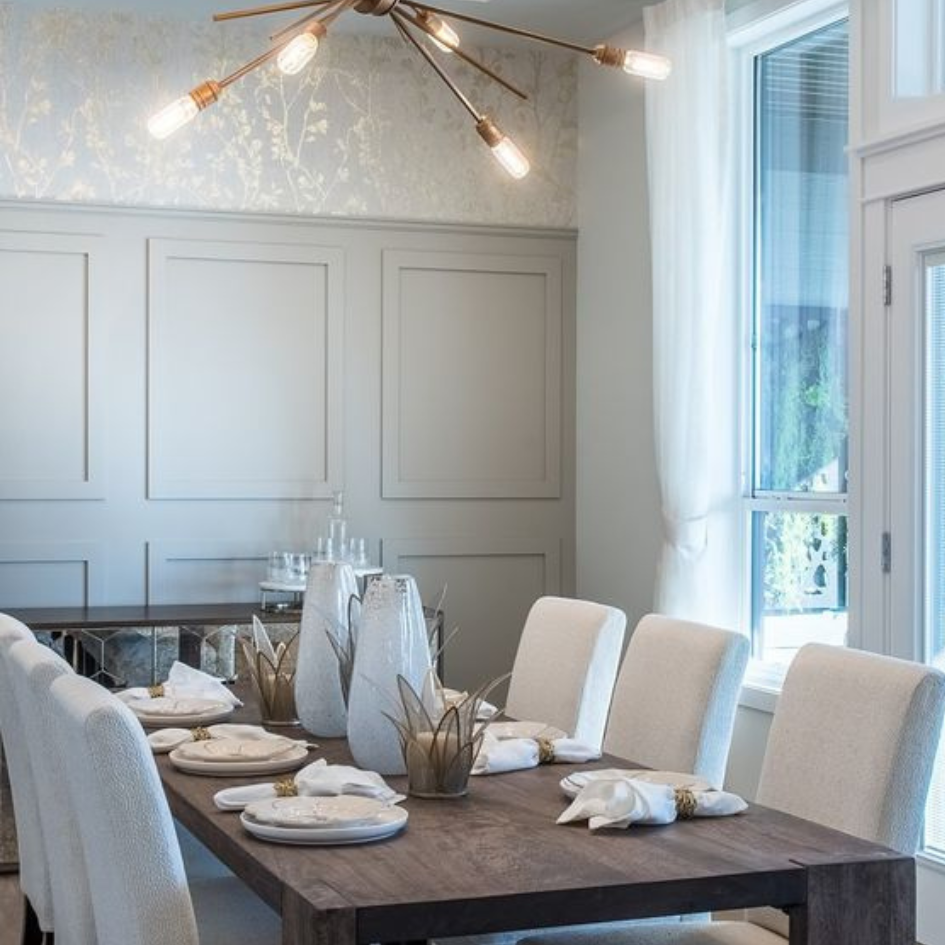
Establishing a Focal Point with Lighting
In any dining room design, lighting is the element that sets the tone. It acts as the visual anchor for the entire space. A common mistake is relying on generic recessed lighting that washes out the room’s features. Instead, consider a statement light fixture positioned directly over the center of the table.
For 2026, the trend has shifted toward sculptural organic shapes—think hand-blown glass or sustainable rattan—that provide a soft, warm glow. The height of the fixture is crucial; ideally, the bottom of the chandelier or pendant should sit roughly 30 to 36 inches above the tabletop. This creates a sense of intimacy, drawing people in toward the center of the conversation. Incorporating a dimmer switch is also highly recommended, allowing you to transition from a bright, productive breakfast setting to a soft, atmospheric dinner environment.
The Art of Textural Contrast
One of the most effective ways to make a dining room feel curated rather than “showroom-bought” is through the layering of textures. If your dining table is a hard, sleek surface like polished marble or dark walnut, you should balance that rigidity with softer elements.
An area rug is perhaps the most impactful way to introduce texture. Not only does it define the boundaries of the dining zone—especially in open-concept homes—but it also provides acoustic dampening, making dinner conversations easier to hear. When selecting a rug, ensure it is large enough so that when chairs are pulled out, the back legs remain on the rug. Beyond the floor, consider the upholstery. Mixing materials, such as velvet dining chairs against a reclaimed wood table, creates a sensory experience that feels rich and lived-in.
Walls that Tell a Story: Art and Color
Dining rooms are excellent candidates for bold wall treatments because they are spaces where we typically spend a concentrated, but limited, amount of time. This allows for more dramatic choices than you might risk in a bedroom or living room.
- Bold Wallpapers: Large-scale botanical prints or subtle geometric textures can add depth to the room without requiring excessive furniture.
- The Gallery Wall: A curated collection of art pieces provides a great conversation starter. In 2026, the trend is moving toward “asymmetrical balance,” where frames of different sizes and finishes are grouped together to create a personal narrative.
- Statement Mirrors: In smaller dining areas, a large, well-placed mirror can double the perceived space and reflect light, making the room feel airy and expansive.
When choosing a color palette, consider the psychology of dining. Deep, earthy tones like terracotta, sage green, or charcoal can create a “cocoon” effect that encourages long, leisurely meals. If you prefer a brighter look, off-whites and sandy beiges provide a clean canvas that allows your tableware and centerpiece to take center stage.
Functional Elegance: Storage and Display
A well-decorated dining room must also be practical. The inclusion of a sideboard, buffet, or credenza provides essential storage for linens, cutlery, and glassware, but it also offers an additional surface for styling.
This surface is the perfect place to display a rotating collection of ceramics, a stack of art books, or a curated bar setup. During gatherings, the sideboard serves as a functional station for appetizers or drinks, keeping the main table clear for the meal. If space is at a premium, floating shelves can provide a similar opportunity for display without occupying valuable floor real estate. The key is to avoid clutter; select a few high-quality pieces that reflect your personality rather than filling every available inch.
Bringing the Outdoors In: Natural Elements
The concept of biophilic design continues to be a cornerstone of modern interior decorating. Introducing greenery into the dining room breathes life into the space—literally and figuratively. A large potted plant like a Fiddle Leaf Fig or a Bird of Paradise can soften a corner, while a simple arrangement of fresh branches or dried florals on the table adds a seasonal touch.
Natural materials should extend beyond plants. Incorporating stone, wood, and linen creates a connection to the natural world that makes the room feel grounded. This “organic modernism” is timeless, ensuring that your dining room remains stylish even as trends fluctuate.
Conclusion
Decorating a dining room is an exercise in intentionality. It is about more than just furniture; it is about creating a backdrop for life’s most meaningful interactions. By focusing on a strong focal point with lighting, layering rich textures, experimenting with wall treatments, and incorporating natural elements, you can create a space that feels both sophisticated and welcoming. The best dining rooms are those that reflect the people who inhabit them—spaces that feel comfortable enough for a Tuesday night dinner yet elegant enough for a major celebration. Ultimately, a well-decorated dining area serves as an invitation to sit down, slow down, and enjoy the company of those around you.
Would you like me to create a specific color palette guide with complementary paint shades and fabric suggestions based on a particular style, such as Mid-Century Modern or Japandi?