The Farmhouse style is more than just shiplap and oversized barn doors; it’s a design philosophy rooted in practicality, comfort, and gathering. In an increasingly fast-paced world, the appeal of the Farmhouse floor plan lies in its ability to blend rustic. Timeless charm with the open, flexible spaces required by modern family life.
Today’s Farmhouse Floor Plans are a seamless fusion of the traditional—think generous porches and big country kitchens. With the contemporary, embracing open-concept living, energy efficiency, and functional utility spaces. If you’re planning to build a home that feels both grand and cozy. Here’s a deep dive into the must-have elements that define the best modern Farmhouse layouts.
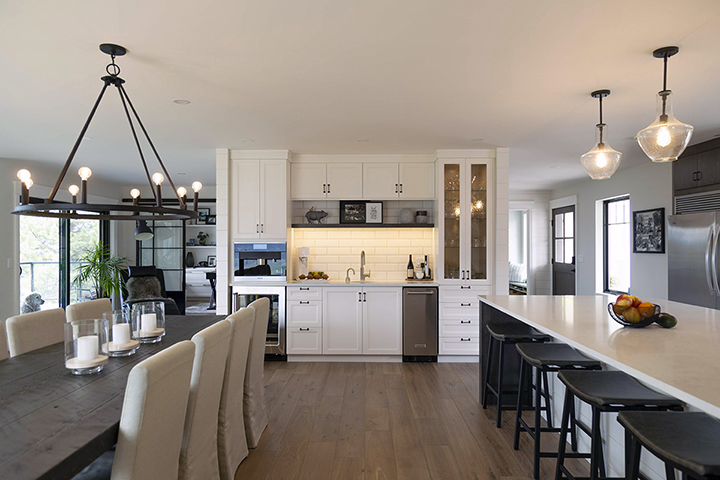
1. The Open-Concept Core: The Heart of the Home
While traditional farmhouses often had distinct, compartmentalized rooms, the modern interpretation hinges on a sprawling. Interconnected central area that serves as the home’s gravitational center.
The Seamless Flow
The most desirable Farmhouse floor plans feature a fluid transition between the Great Room (Living Room), Dining Area, and Kitchen. This removes physical barriers, promoting interaction and a sense of togetherness. Whether you’re cooking dinner, helping with homework, or hosting a party, the open layout ensures that no one is isolated.
- Oversized Kitchen Island: The kitchen island is no longer just for prep; it’s the social hub. Modern plans feature massive islands with seating for four to six. Serving as a breakfast bar, homework station, and buffet during gatherings.
- Vaulted Ceilings and Exposed Beams: To maximize the feeling of airiness and space in the open core, vaulted ceilings are a staple. Exposed wood beams add rustic texture and architectural character, grounding the contemporary layout with farmhouse charm.
- Natural Light: Large, multi-pane windows with dark trim are critical. They flood the open space with natural light, blurring the lines between the bright interior and the outdoor landscape—a key element of modern farmhouse aesthetics.
2. The Functional Essentials: Utility and Organization
A true farmhouse was a working home, and modern floor plans retain this emphasis on practical, hard-working utility spaces designed to manage the mess of daily life.
The Indispensable Mudroom
Positioned right off the garage or secondary entrance, the mudroom is the essential transition zone. Modern plans elevate this space beyond simple storage:
- Drop Zone/Lockers: Built-in cubbies or lockers with hooks, benches, and specialized shoe storage keep clutter contained before it enters the main house.
- Dedicated Laundry Area: Often integrated or adjacent, placing the laundry room near the mudroom (and sometimes near the primary suite) is a practical choice that streamlines chores.
- Walk-in Pantry (The Scullery 2.0): No farmhouse kitchen is complete without a walk-in pantry. Current plans favor large, organized pantries—sometimes even featuring secondary prep sinks and extra appliances—to keep the main kitchen counters clean and sleek.
3. Indoor-Outdoor Connection: The Welcoming Porch
The expansive porch is perhaps the most iconic feature of any farmhouse plan, serving as an extension of the indoor living space.
- The Wrap-Around Porch: While a front porch is standard, the wrap-around porch is the ultimate farmhouse luxury. It provides panoramic views, shaded comfort throughout the day (pre-air conditioning necessity), and multiple outdoor lounging zones for family and guests. Designers often ensure the porch is deep enough (at least 8-10 feet) to comfortably accommodate furniture and swings.
- Seamless Access: Large sliding glass doors or French doors connect the main living areas directly to the porch or a covered back patio, facilitating effortless flow for entertaining and integrating outdoor “rooms” (like an outdoor kitchen or fireplace lounge) into the home’s footprint.
4. Strategic Zoning: Balancing Openness with Retreat
While the main level is focused on open, communal living, effective farmhouse floor plans create essential zones for privacy and retreat.
- Main-Level Primary Suite: For convenience and longevity, many contemporary farmhouse plans place the primary bedroom suite on the main floor. This arrangement offers a private sanctuary away from secondary bedrooms (often upstairs) and makes the home accessible for aging in place.
- Flex Space: The best plans include a versatile flex room or den on the main floor that can adapt to a home office, a children’s playroom, a quiet library, or a dedicated guest suite—offering essential adaptability for the modern family.
- Bonus Room/Over-Garage Space: Upstairs, a large bonus room (often situated above the garage) provides a secondary gathering space perfect for a media room, gym, or teenager’s lounge, keeping noise and activity contained away from the main living areas.
Conclusion: Functionality Meets Familiarity
Farmhouse floor plans remain the top-selling house style because they offer a rare blend of timeless familiarity and ultimate functionality. They are designed for gathering, for working, and for relaxing in spaces that feel airy, bright, and authentic.
By prioritizing the open-concept core, integrating hardworking utility spaces like the mudroom and walk-in pantry, and ensuring a deep connection to the outdoors via a generous porch, the modern farmhouse blueprint creates a home that doesn’t just look beautiful—it lives beautifully. It’s an enduring style built not around transient trends, but around the enduring values of family and comfort.