Inspiring Decorating Ideas for Dining Room Areas

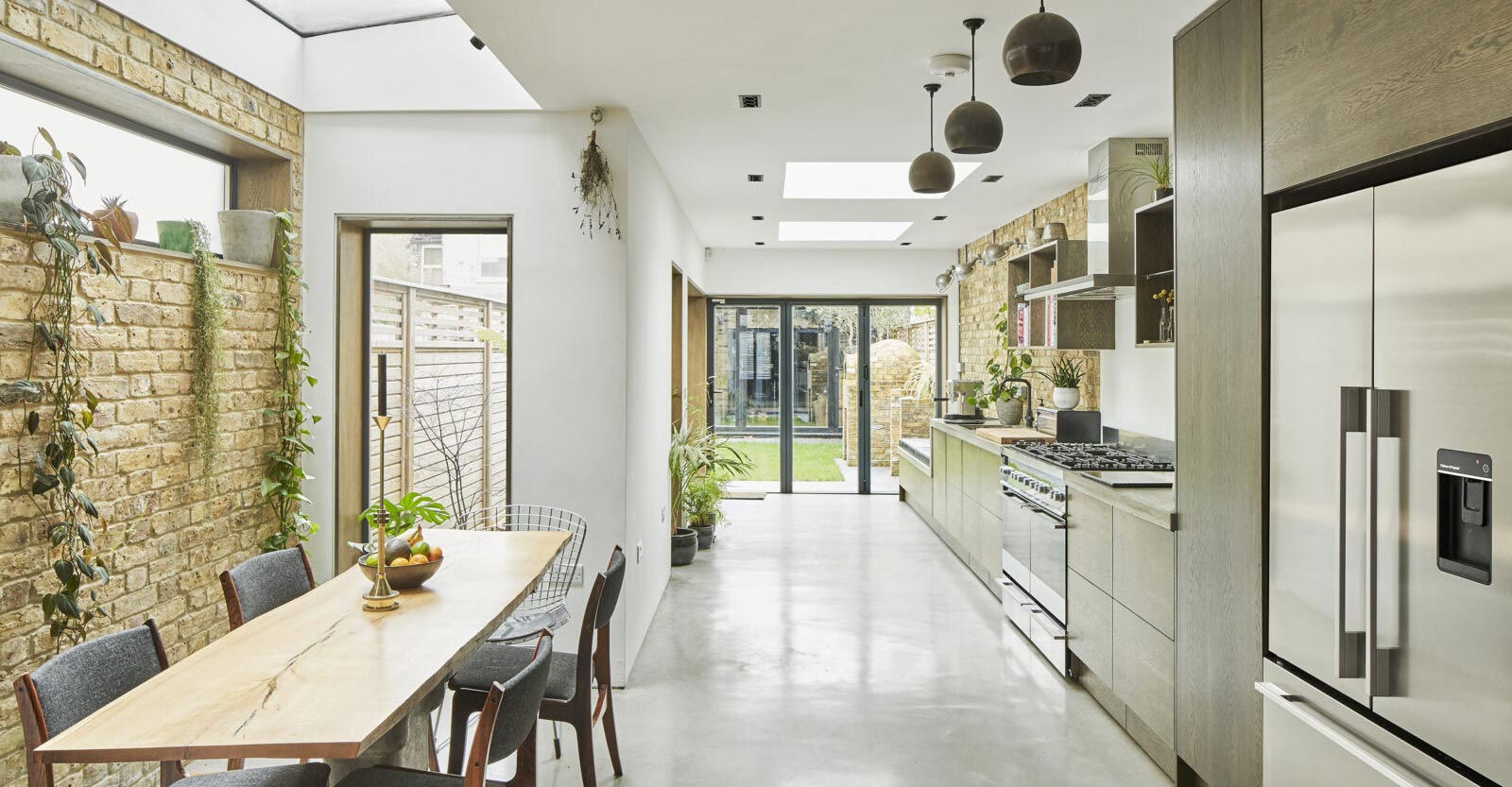
The dining room has long occupied a unique position in the home. Historically a formal space reserved for holidays and special occasions, it has evolved in 2026 into a multifunctional hub. Today, the dining area serves as a workspace, a classroom, a craft station, and, most importantly, a place for social reconnection. Decorating this space is no longer just about choosing a table and chairs; it is about creating an atmosphere that balances functionality with aesthetic resonance. Whether you have a sprawling formal dining hall or a compact nook in an urban apartment, the right design choices can transform a utilitarian area into a sanctuary of style.

Establishing a Focal Point with Lighting

In any dining room design, lighting is the element that sets the tone. It acts as the visual anchor for the entire space. A common mistake is relying on generic recessed lighting that washes out the … Read more

Continue Reading

Essential Tips for Restoring and Living in a Classic Victorian House

The Victorian house stands as a monument to a fascinating era—a time of industrial boom, intricate craftsmanship, and maximalist design. Characterized by their ornate detailing, high ceilings, bay windows, and vibrant tilework, these homes (built roughly between 1837 and 1901) possess a timeless elegance and depth of history that modern architecture often lacks. However, owning or restoring a classic Victorian property is a labor of love that comes with its own unique set of challenges and responsibilities.

This guide provides essential tips for anyone looking to honor the heritage of their Victorian house while making it functional, comfortable, and beautiful for the 21st century. It’s about preserving the past without living in the past.


Phase 1: Respecting the Structure and History

The first rule of Victorian restoration is to do no harm. These structures have survived over a century, and your job is to be a careful custodian of … Read more

Continue Reading

How Better Furniture Can Be the Key to a Better Mood

We often think of furniture purely in terms of function and aesthetics. It serves as a place to sit, a surface to work on, or a storage unit for our belongings. Yet, the pieces we choose to fill our homes and workspaces have a profound, often overlooked, impact on our psychological well-being, productivity, and overall happiness. Our environment is a constant feedback loop, and the quality, design, and organization of our furniture are central to creating a space that nurtures, rather than hinders, a positive mood.

Investing in better furniture is not just about luxury; it’s an investment in your mental health. By understanding the principles of ergonomics, biophilic design, and intentional simplicity, anyone can transform their surroundings into a sanctuary that promotes calm, focus, and joy.


The Ergonomic Connection: Comfort as a Mood Stabilizer

The most immediate link between furniture and mood is through physical comfort and health. … Read more

Continue Reading

Five Essential Things to Consider When Buying a Home

Buying a home is often the largest financial and emotional investment an individual or family will ever make. It is an exciting, yet potentially overwhelming, process that extends far beyond picking a house with the right number of bedrooms. A home is not just a building; it’s a foundation for your future, an anchor for your finances, and a reflection of your lifestyle.

To navigate this complex journey successfully, it’s crucial to move past superficial aesthetics and delve into the core practical and financial considerations. By focusing on five essential elements—the true cost, the location’s long-term value, the property’s structural health, the functionality of the floor plan, and the hidden costs of maintenance—you can ensure your dream home doesn’t turn into a financial or logistical nightmare.


1. The True Cost: Understanding Your Full Financial Picture

Many first-time buyers focus solely on the list price and the mortgage repayment, neglecting a … Read more

Continue Reading

Why Contemporary House Plans Define Modern Living

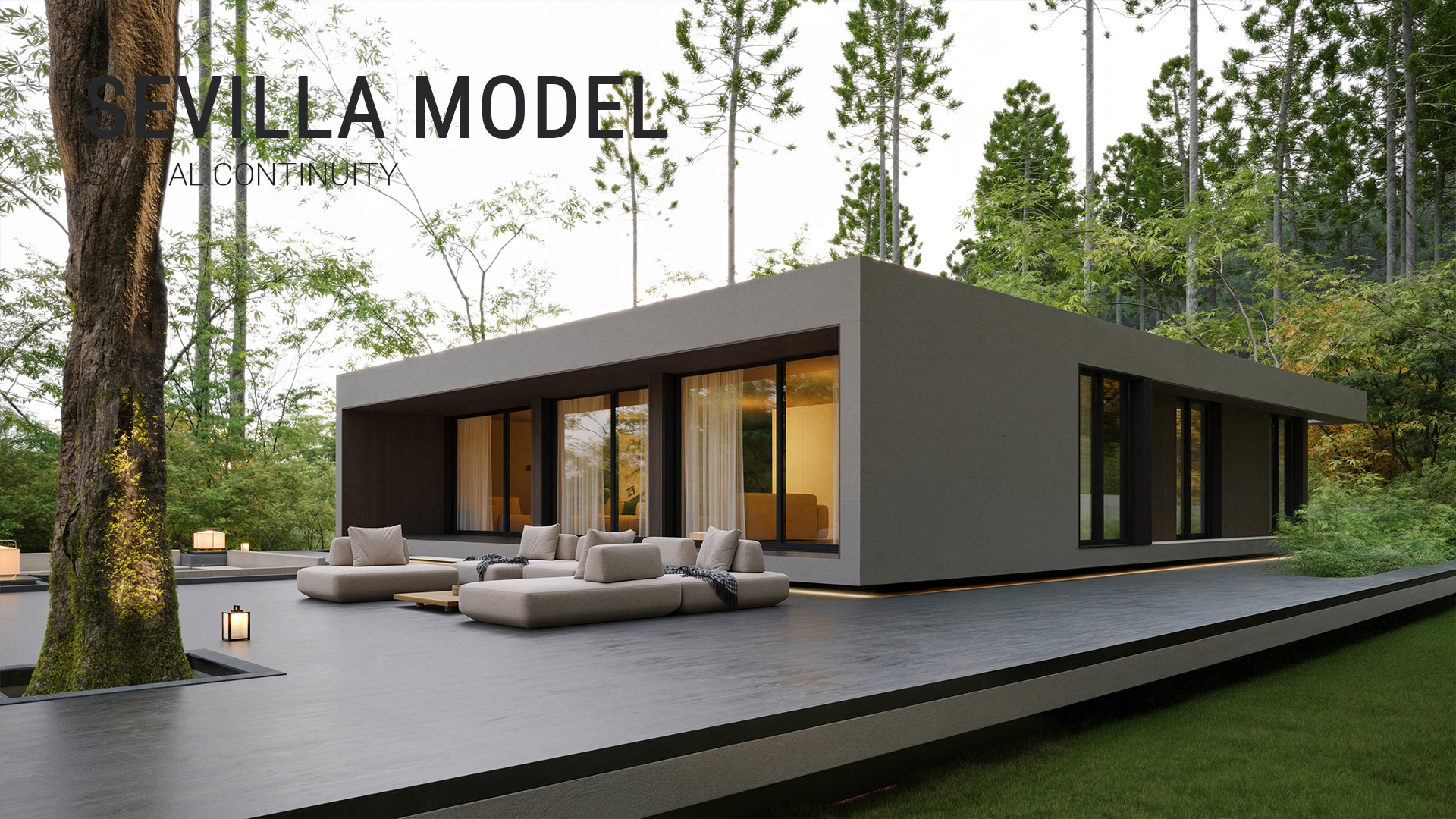
The search for the perfect home is often a quest for a lifestyle. Today, that lifestyle prioritizes fluidity, natural light, and efficiency—qualities perfectly embodied by Contemporary House Plans. Far from being a rigid style, contemporary design is a constantly evolving architectural movement defined by the “here and now.” It captures the latest trends in technology, sustainability, and human-centric living, making it the most sought-after design for new custom homes.

If you are looking to build a forward-thinking, energy-efficient, and supremely functional home, understanding the core principles of contemporary architecture is your first step.


Contemporary vs. Modern: Understanding the Core Difference

Before diving into the features, it’s crucial to clarify the most common confusion in architectural terms:

  • Modern House Plans refer to a specific, historical style rooted in the early to mid-20th century (think 1920s to 1950s—the influence of architects like Frank Lloyd Wright and the Bauhaus movement). Modern design
Read more Continue Reading