Modern living is no longer defined by sleek surfaces and minimalist aesthetics alone. Today’s Modern Living Homes are intelligent, adaptive ecosystems designed to enhance well-being, maximize efficiency, and seamlessly integrate technology with nature. As we navigate the complexities of remote work, climate consciousness. And a constant digital presence, the contemporary home has evolved into a resilient, self-optimizing sanctuary.
This architectural shift is driven by the core values of flexibility, sustainability. And connectivity, creating spaces that don’t just house our lives, but actively nurture them.
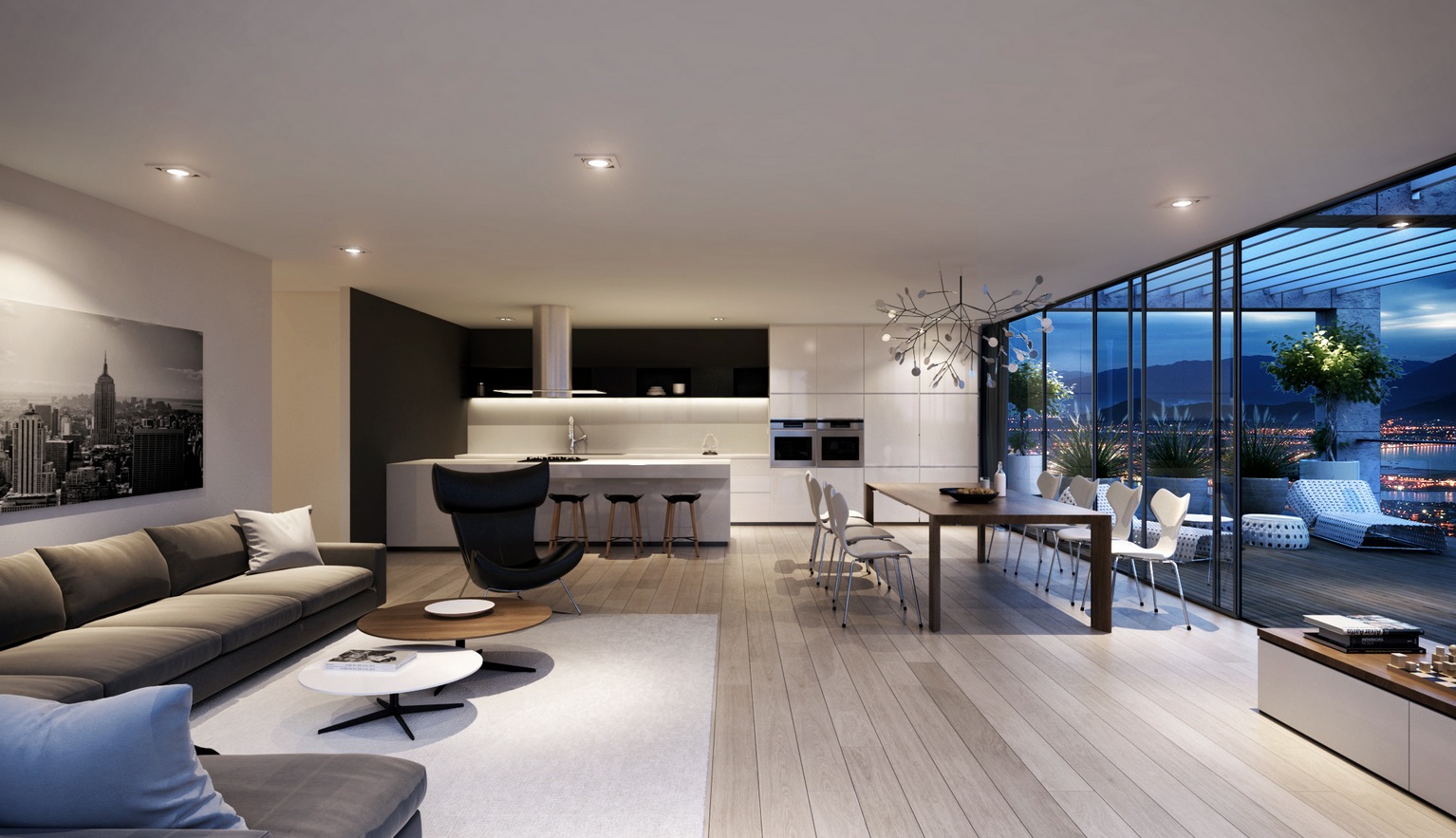
1. The Adaptive Blueprint: Open Concept with a Twist
The open-concept layout remains fundamental to modern design, promoting the fluid, social interactions demanded by contemporary family life. However, its implementation has become more nuanced, balancing connection with the essential need for privacy.
- Flexible Zoning: While the kitchen, dining, and living areas flow together. Modern homes use strategic elements to define zones without walls. Large kitchen islands, changes in ceiling height (such as a lowered area over the dining space). And contrasting flooring materials subtly delineate function.
- Retractable Boundaries: True flexibility is achieve through features like large sliding glass walls or hidden pocket doors. These allow the homeowner to instantly seal off a busy kitchen, convert a den into a quiet home office, or open an entire wall to blur the line between the indoor living space and an outdoor patio.
- Multi-functional Rooms: With remote work becoming a norm, dedicated Future-Ready Home Offices are essential. These spaces are often designed as ‘hybrid rooms’—effortlessly transitioning from a workspace by day to a guest bedroom or media room by night, ensuring no square foot is wasted.
2. Biophilic Design: The Essential Connection to Nature
One of the most profound trends in modern living is the integration of nature, known as Biophilic Design. This is a conscious effort to reconnect inhabitants with the natural world to improve mood, reduce stress, and enhance cognitive function.
- Optimized Natural Light: Massive, floor-to-ceiling windows, strategically placed skylights, and glass walls are standard features. These elements maximize daylight penetration deep into the home, reducing the need for artificial lighting and regulating the body’s natural circadian rhythms.
- Indoor Greenery and Materials: Homes feature living green walls or vertical gardens, and interiors are rich with natural, tactile materials such as exposed wood, stone, bamboo, and clay. This focus on natural textures and organic forms creates a warm, grounded, and inherently calming atmosphere.
- Seamless Indoor-Outdoor Living: Modern homes are structured around the view. Covered patios, expansive decks, and courtyards become true outdoor “rooms”—often featuring outdoor kitchens, fireplaces, or plunge pools—accessed via those seamless retractable glass doors.
3. The Invisible Brain: Smart Technology Integration
Modern living is synonymous with intelligent automation. However, the best designs ensure that technology is invisible, working silently in the background to simplify life and optimize the home’s performance.
- AI-Powered Automation: Beyond simple voice commands, new homes integrate AI-driven systems that learn resident preferences. These systems proactively manage climate control, adjust lighting based on natural daylight levels and time of day, and even monitor energy consumption.
- Integrated Wellness Tech: Smart homes are moving toward wellness features, including advanced air quality monitoring, automated air purification systems, and circadian lighting that mimics the sun’s cycle to aid sleep and focus.
- Sustainability Through Tech: Smart integration is key to energy efficiency. Automated blinds respond to the sun to manage heat gain, while integrated solar power and energy storage systems work toward a goal of net-zero energy consumption, making sustainability a core feature of modern luxury.
Conclusion: A Home Built for the Future
The Modern Living Home is a testament to the idea that architecture should serve the inhabitants’ well-being above all else. By blending the flexible, social space of the open concept with the restorative power of nature (Biophilic Design), and the effortless efficiency of invisible technology, these homes are more than just aesthetically pleasing structures.
They are intelligent sanctuaries—responsive, resilient, and purposefully designed for the complexities of 21st-century life. Choosing a modern living home is choosing a lifestyle defined by ease, health, and a mindful connection to both the digital and natural worlds.