In a world where ready-made solutions dominate, your home remains the ultimate expression of individuality. While stock plans offer convenience, the modern homeowner increasingly seeks a residence that is perfectly calibrate to their unique lifestyle, budget, and aspirations. This is the enduring power of Custom Home Floor Plans.
Moving beyond generic layouts, a custom plan is a collaboration between you and an architect—a meticulous roadmap that ensures every foot of your home is intentional, functional, and deeply personal. It’s the only way to guarantee your house is not just a structure, but a high-performing, long-term sanctuary built specifically for your life.
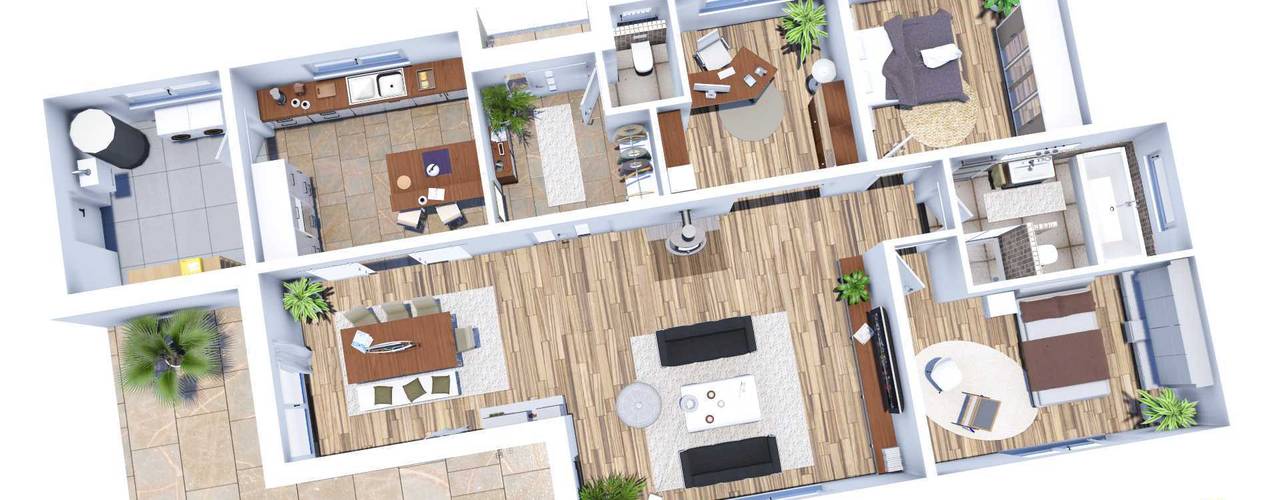
1. The Power of Personalization: Designing for Your Life
The primary benefit of a custom plan is the absolute control it grants over how your space is utilize. A house built from a custom blueprint seamlessly integrates with the rhythm of your daily life, creating efficiencies and comforts that mass-produced homes simply cannot offer.
- Lifestyle-Centric Layouts: Do you host large family gatherings? Your plan can prioritize a sprawling, chef’s-grade kitchen that flows directly into an expansive outdoor entertaining area. Are you a remote worker? You can include a soundproof, acoustically treated home office, strategically placed away from high-traffic zones. A custom plan ensures room count, room sizes, and traffic flow all align with your actual needs, not generalized market expectations.
- Universal and Future-Proof Design: Custom floor plans allow for the integration of Universal Design principles from day one. This means including wider doorways, zero-threshold entries, and main-floor master suites, ensuring the home remains accessible and comfortable as needs change over time—a key consideration for maximizing long-term value and enabling “aging-in-place.”
- Optimized Site Orientation: An architect will design your floor plan to maximize the potential of your specific land. This includes positioning the house to capture the best views, arranging windows to optimize natural light throughout the day, and minimizing sun exposure to reduce cooling costs—a crucial energy-saving step impossible with generic plans.
2. Efficiency and Technology: Wiring the Future
A custom floor plan is the only way to truly integrate sustainable features and smart technology seamlessly, rather than treating them as costly afterthoughts.
- Built-in Smart Ecosystems: Rather than relying on patchwork smart devices, a custom plan can include a sophisticated, centralized home automation system. Wiring for smart lighting, zone climate control, integrate sound systems. And advance security is plan and install within the walls, ensuring a clean aesthetic and optimal performance.
- Energy Performance from the Foundation Up: Sustainability becomes a design feature, not an option. Your architect can specify superior insulation, high-performance windows. And the ideal layout for renewable energy sources like integrated solar panels and battery storage. This upfront planning results in a higher-performing Energy-Efficient home with lower utility bills for the lifetime of the house.
- Plumbing and Utility Efficiency: A smart custom design strategically groups “wet rooms” (kitchen, laundry, bathrooms) together. This compact plumbing configuration simplifies construction, reduces material costs, and improves hot water delivery efficiency.
3. The Custom Journey: Working with Your Dream Team
Creating a custom floor plan is a multi-stage process that centers on understanding the client’s vision.
- The Pre-Design Phase: This initial stage is purely discovery. You articulate your lifestyle, your budget, your wish-list of amenities (from a wine cellar to a hidden pantry). And how you envision using the space. The architect simultaneously analyzes the building site, taking into account topography, views, and local building codes.
- Schematic Design: The architect translates your needs into rough sketches and conceptual floor plans. This is where you review the basic flow, room relationships, and overall size. Feedback is critical here, as major changes are easiest at this stage.
- Design Development: Once the concept is approved, the plan gains detail. Materials, window types, door schedules, and preliminary structural considerations are finalized. You begin to see the house come to life in more detailed drawings and 3D renderings.
- Construction Drawings: This is the final blueprint—a comprehensive set of documents required for permitting and construction. Every measurement, material specification, and technical detail is included to ensure the builder executes your one-of-a-kind vision precisely.
Conclusion: Investing in Intentionality
A Custom Home Floor Plan is not just an expense; it is the single most valuable investment in your new home. It guarantees a perfect alignment between your daily routine and your physical space, maximizes long-term energy efficiency, and integrates future-ready technology seamlessly. By choosing to design a custom plan, you are moving beyond simply owning a house—you are creating a meticulously tailored, high-performance habitat where every line, every window, and every room is a reflection of intentional, meaningful living.