The idea of a “smart home” has evolved far beyond a single voice-activated speaker or a smart light bulb. Today, true luxury and efficiency are found in Smart Home Integration a seamlessly connect ecosystem where every device. From the thermostat to the window shades, communicates intelligently to enhance comfort, security, and sustainability. This whole-house approach transforms a collection of gadgets into a unified, responsive living environment.
For homeowners planning a new build or a major renovation, integrating smart technology from the foundation up is no longer a luxury—it’s the cornerstone of modern, future-proof living.
What Is Whole-House Smart Home Integration?
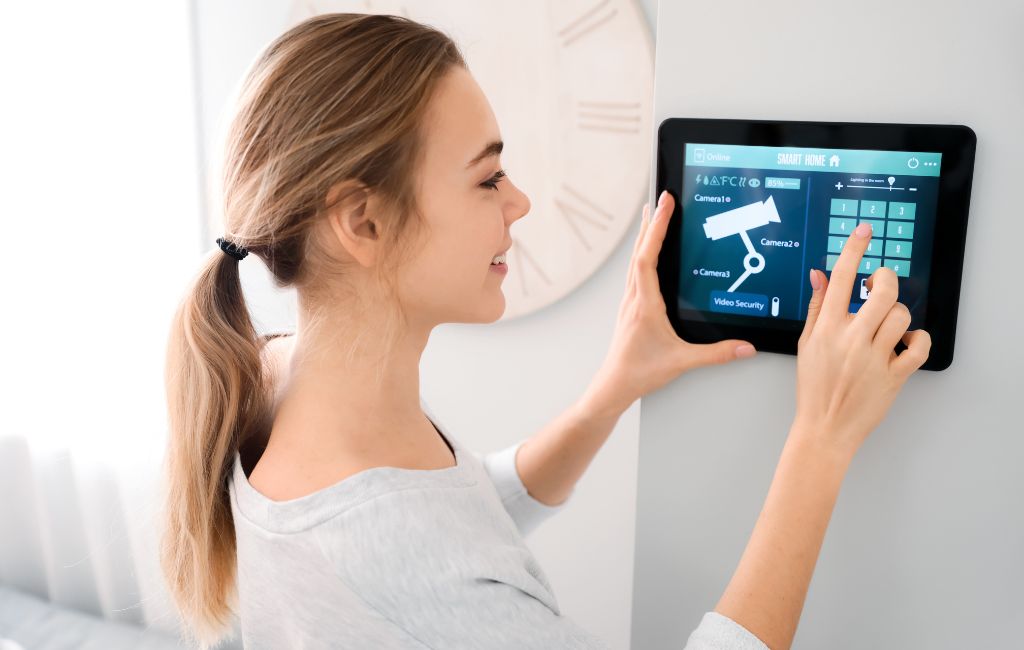
Whole-house integration refers to a centralized system that connects various sub-systems—lighting, security, climate control, entertainment, and appliances—under a single, unified control platform. Instead of managing five different apps for five different devices. A homeowner can control everything from a single command center (a wall panel, smartphone app, or voice assistant).
The key to successful integration lies in interoperability, meaning all devices can “speak” the same language (protocols like Zigbee, Z-Wave, or Matter), allowing complex, automate “scenes” to create.
Core Pillars of a Fully Integrated Smart Home
A truly intelligent home functions across several critical domains, each working together to optimize the living experience:
1. Security and Access Control
A unified system moves far beyond a simple alarm. Integrated security systems offer:
- Smart Locks and Video Doorbells: Grant or revoke access remotely, view visitors in real-time, and automatically lock doors when you leave.
- Integrated Surveillance: Security cameras, motion sensors, and glass-break detectors work together. For example, if a motion sensor is trigger, the lights in that zone turn on automatically and the video doorbell begins recording.
- Emergency Response: Immediate alerts sent to your phone and the system can program to unlock doors for first responders in an emergency.
2. Climate and Energy Management
This pillar provides the most significant return on investment (ROI) through energy savings:
- Smart Thermostats: Learning your habits, these devices automatically adjust heating and cooling based on occupancy, time of day. And external weather conditions, reducing utility costs by optimizing HVAC runtimes.
- Automated Shades and Blinds: Integrated window treatments can be programmed to open in the winter to utilize passive solar heating. And close in the summer to prevent heat gain, dramatically reducing the load on the air conditioning system.
- Energy Monitoring: The system tracks the consumption of major appliances and identifies energy-wasting habits. Giving you real-time data to make smarter choices.
3. Lighting and Ambiance Control
Smart lighting is about more than just turning lights on and off; it’s about creating tailored environments:
- Scene Programming: Create “scenes” like “Movie Night” (dims the living room lights, turns on bias lighting behind the TV, and lowers the shades) or “Wake Up” (gradually brightens bedroom lights and raises the thermostat).
- Circadian Lighting: Advanced systems adjust the color temperature of lights throughout the day, shifting from cool, bright light in the morning (to boost alertness) to warm, dim light in the evening (to promote relaxation).
4. Entertainment and Audio-Visual
The system centralizes media control, creating a true whole-house audio experience:
- Multi-Room Audio: Stream different music in different zones, all controlled from one interface.
- Seamless TV and Projector Integration: Devices like smart TVs, streaming boxes, and projectors can power on and off in unison with the room’s lighting and climate, simplifying the entertainment experience.
Planning for the Future: Building the Backbone
The biggest mistake homeowners make is treating smart home products as add-ons. True integration requires thinking about the technological infrastructure during the initial design phase:
- Robust Networking (The Digital Foundation): A professional-grade, hard-wired network backbone (Cat6 or fiber cabling) is essential. A reliable, high-bandwidth Wi-Fi network with multiple access points must be planned to handle the hundreds of devices that may eventually connect.
- Centralized Wiring: Low-voltage wiring for lighting controls, security sensors, and audio speakers should be run before the drywall goes up. This reduces clutter and ensures every component has a stable connection.
- Choosing a Unified Platform: Decide early whether your home will be centered around a major ecosystem (e.g., Apple HomeKit, Google Nest, Amazon Alexa) or a high-end, professionally installed system (e.g., Control4). This choice dictates device compatibility and user experience.
Conclusion: The Value of Intelligence
Smart Home Integration is the evolution of comfortable living. It offers unparalleled convenience through automation, superior security through interconnected vigilance, and significant cost savings through dynamic energy management. While the initial investment is higher than a patchwork of DIY gadgets, the final result is a fluid, intuitive, and highly personalized home that doesn’t just house your life—it anticipates and improves it. Building smart means building better, and in the contemporary home market, a fully integrated system is the hallmark of lasting value and cutting-edge design.