The sight of a new mosque rising on the skyline of a European city is a powerful visual marker of a changing continent. Once hidden away in repurposed warehouses or discreet backstreets. The modern European mosque is increasingly taking its place in the public square. Sparking intense debate, driving architectural innovation, and redefining the relationship between religion, public space, and national identity.
The planning and construction of these new centers are far more than mere building projects. They are complex socio-political statements, navigating challenges from local opposition. And planning bureaucracy to funding controversies and the drive for genuine integration. The future of European multiculturalism can, in many ways, read in the blueprints of its newest mosques.
The Architecture of Integration: Form and Function
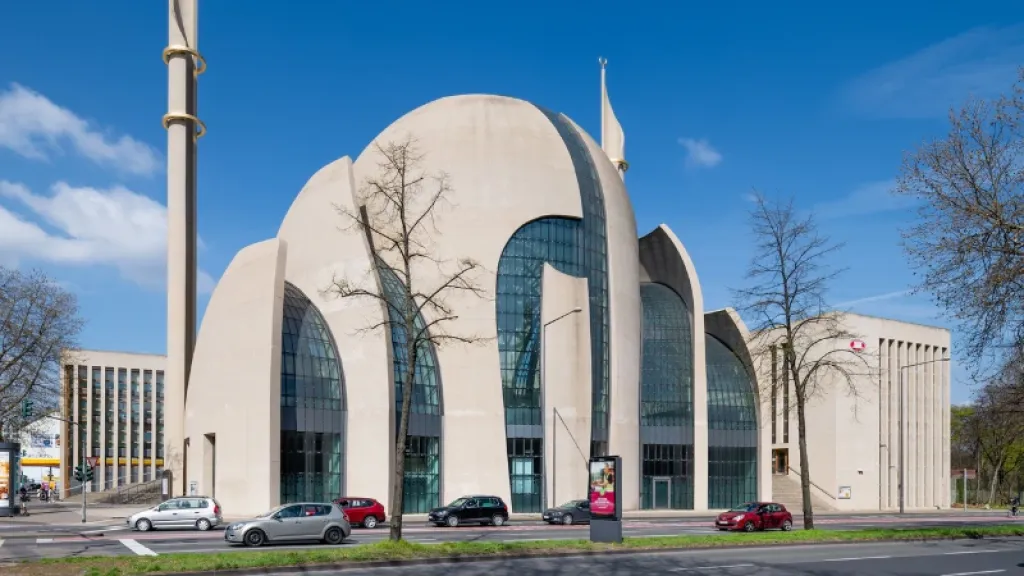
The new wave of European mosque architecture marks a decisive shift away from traditional. Transplanted styles towards designs that reflect a modern, localized ‘Euro-Islam.’
1. A Dialogue with the City
Architects are increasingly commission to design structures that harmoniously blend Islamic functionality with the urban landscape and secular aesthetic of their host city. The goal is to move beyond mere imitation of Ottoman or Arabian styles. Notable examples, such as the Grand Mosque of Strasbourg or the Cambridge Central Mosque in the UK, demonstrate this fusion.
- Contextual Design: Modern mosques often feature clean lines, contemporary materials like glass, steel, and concrete, and a deliberate avoidance of overly elaborate or foreign-looking ornamentation. The structure speaks to a community that is settled and integrated, not just a temporary presence.
- Minaret and Dome Reimagined: Where they exist, minarets and domes are often simplified, abstracted, or integrated subtly into the building’s massing, acting more as symbolic accents than towering, attention-demanding features. This aesthetic choice is sometimes a pragmatic response to planning restrictions, but it also reflects a desire to appear less ‘exotic’ and more ‘European.’
2. The Mosque as a Multifunctional Hub
Crucially, new mosque plans prioritize function far beyond just the main prayer hall. Recognizing the needs of a second and third generation of European Muslims, these projects are designed as multi-purpose community centers.
- Social Spaces: Plans frequently include libraries, youth centers, kindergartens, classrooms for language and cultural studies, and spaces dedicated to women’s activities.
- Interfaith Dialogue: Many new mosques incorporate reception areas, cafés, and visitor zones explicitly designed to host interfaith and local community events, actively promoting transparency and engagement with the non-Muslim public. This transformation positions the mosque as a key partner in urban social development.
Navigating the Contested Terrain: Challenges and Controversies
Despite the progressive architectural goals, the path from blueprint to completion is frequently fraught with socio-political hurdles. The construction of a mosque often becomes a flashpoint for wider anxieties about immigration, identity, and integration.
1. Local Opposition and Planning Hurdles
Across the continent, from Germany to Italy and Switzerland, local planning applications for mosques often face intense, highly organized opposition. These objections frequently masquerade as concerns over parking, traffic, or noise (particularly from the call to prayer/adhan), but often reflect deeper, unstated cultural and political resistance.
- Symbolic Identity: The core of the conflict lies in the mosque’s role as a potent symbol. For opponents, a prominent mosque represents the unwelcome visible ‘Islamization’ of a city; for proponents, it is an essential recognition of citizenship and religious freedom.
- “Underground” Mosques: In cities where securing planning permission for a purpose-built mosque is almost impossible (such as Athens, until recently), Muslim communities are forced to rely on “unofficial” places of worship in makeshift premises, which local authorities sometimes threaten to close, deepening the sense of exclusion.
2. Funding and Foreign Influence
A recurring challenge involves the source of funding. Many projects rely heavily on donations from wealthy Gulf states or Turkish governmental bodies. This arrangement often raises concerns among European politicians and security experts about foreign political or ideological influence over local Muslim communities, pressuring them towards greater scrutiny and demands for financial transparency. Consequently, newer projects actively seek to increase local funding to demonstrate community autonomy and financial self-sufficiency.
Conclusion: A Litmus Test for European Pluralism
The debate over European mosque plans is a profound litmus test for the continent’s commitment to religious pluralism and multicultural citizenship. The success of these projects is not merely an architectural triumph; it is a measure of successful societal integration. When a mosque is built not just for a community, but with the city, through dialogue, compromise, and mutual respect, it ceases to be a controversial symbol and becomes a vital, functional piece of the urban fabric.
As Europe’s Muslim population continues to grow and establish deeper roots, the new, open, and multi-functional mosque represents an architectural commitment to being present, integrated, and fully European. The future of these plans will continue to shape and reflect the complex, evolving identity of the continent itself.